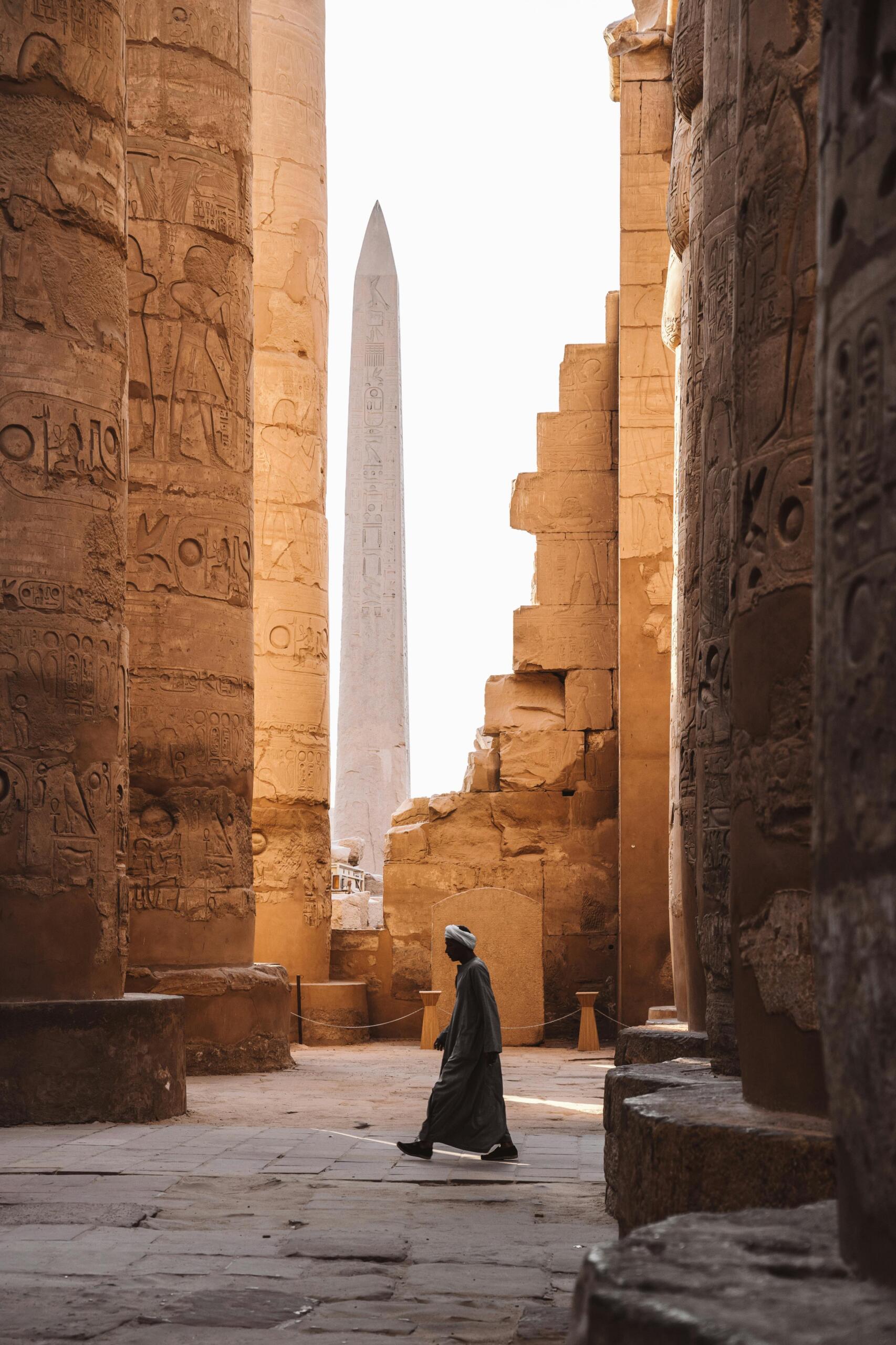
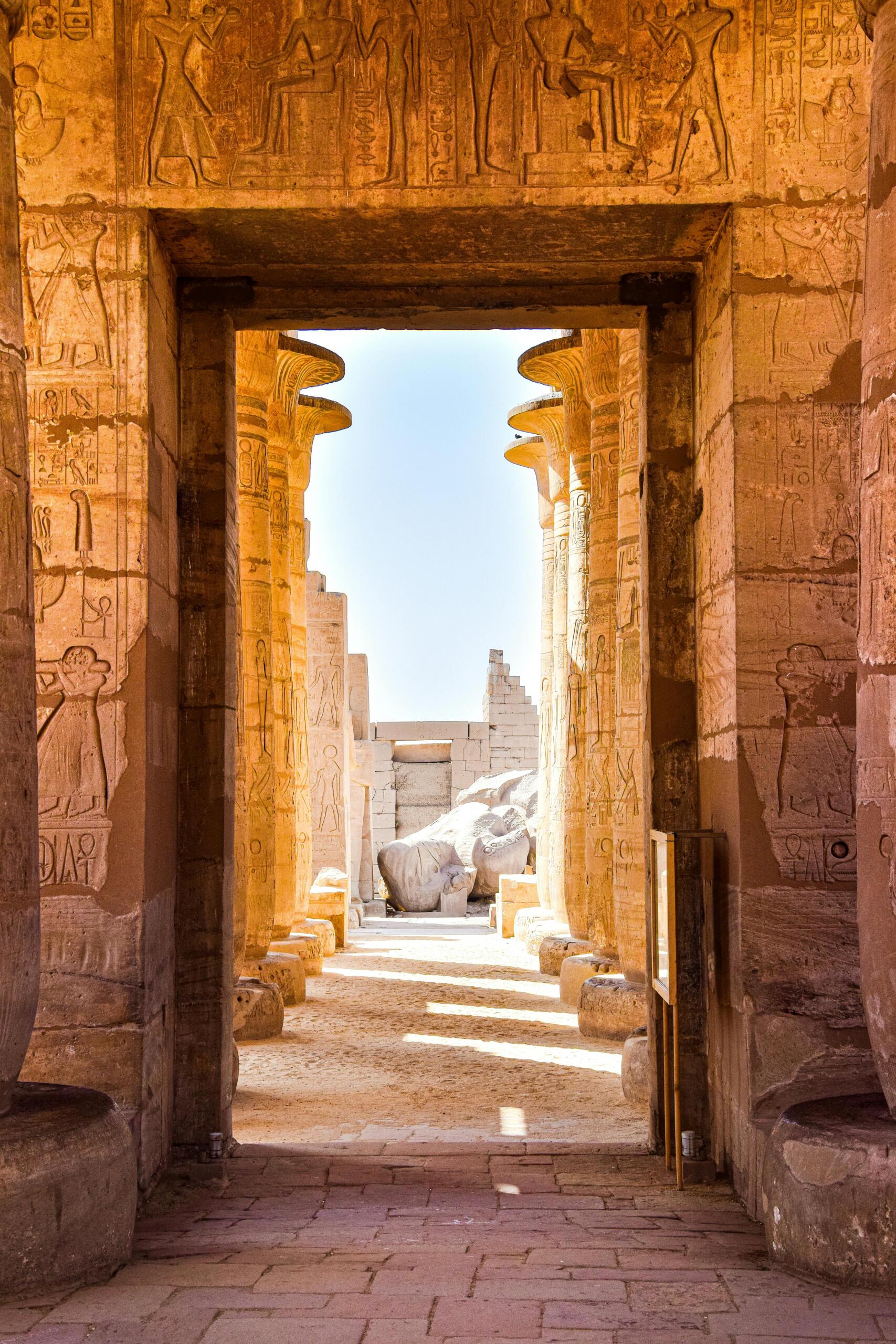
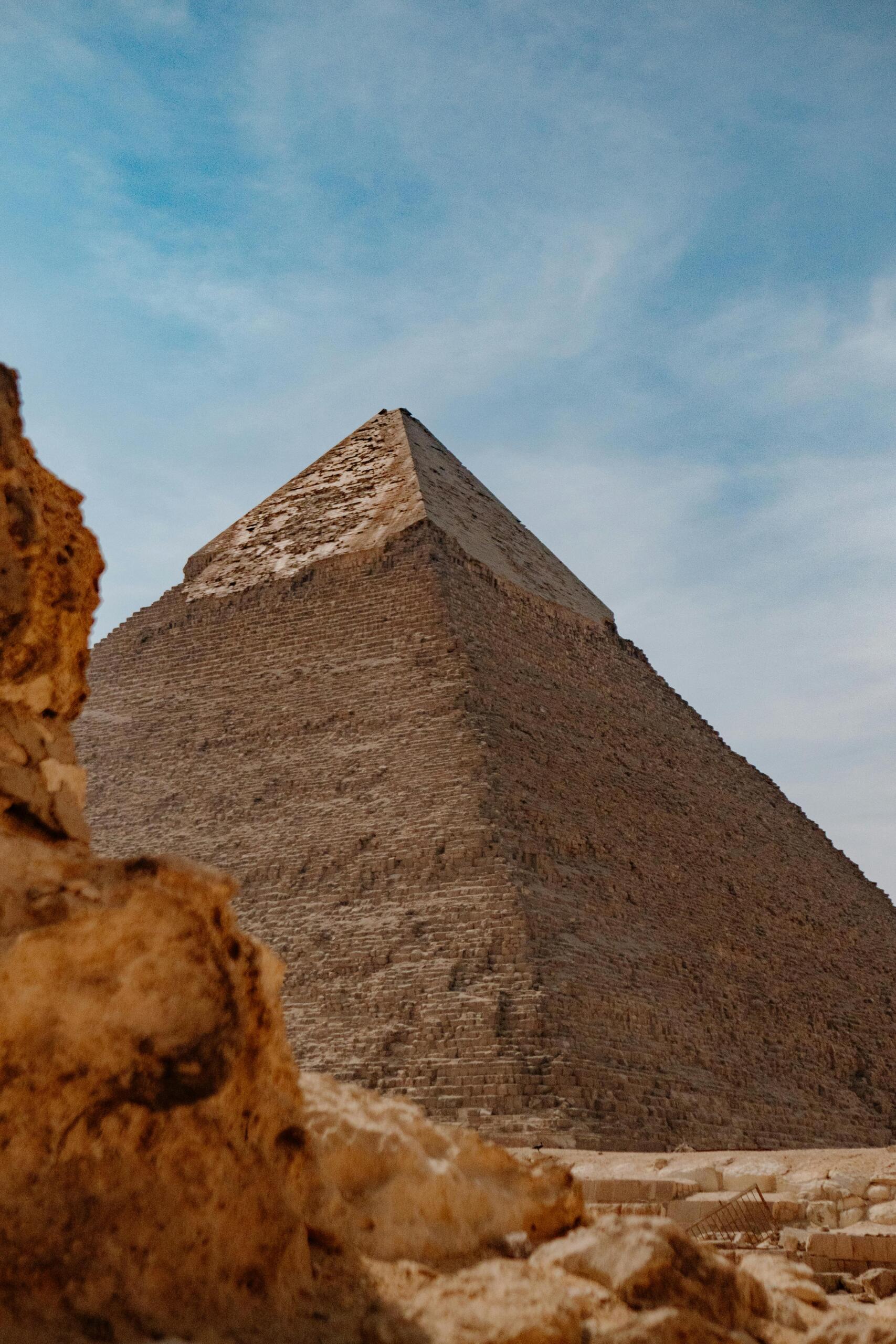
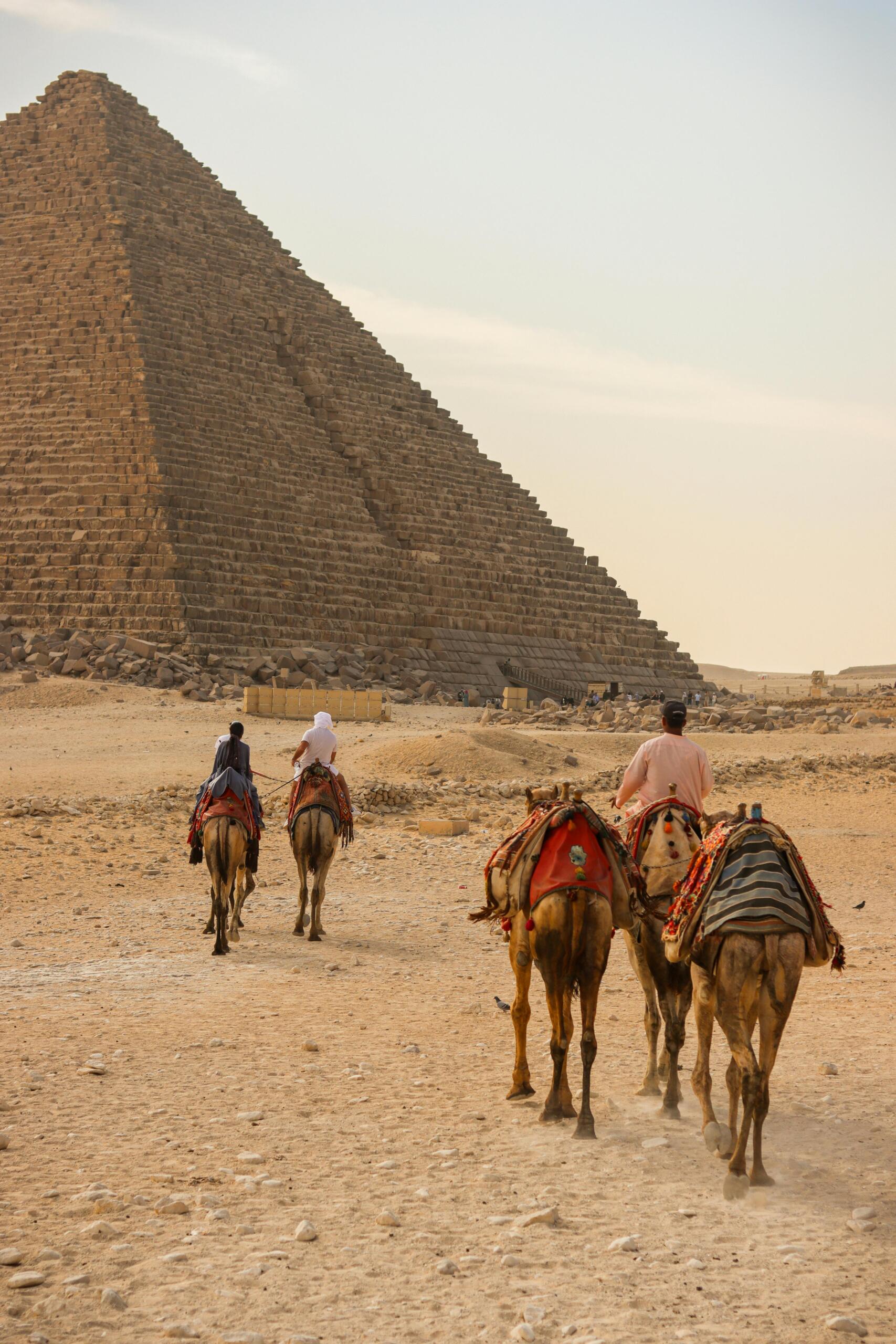
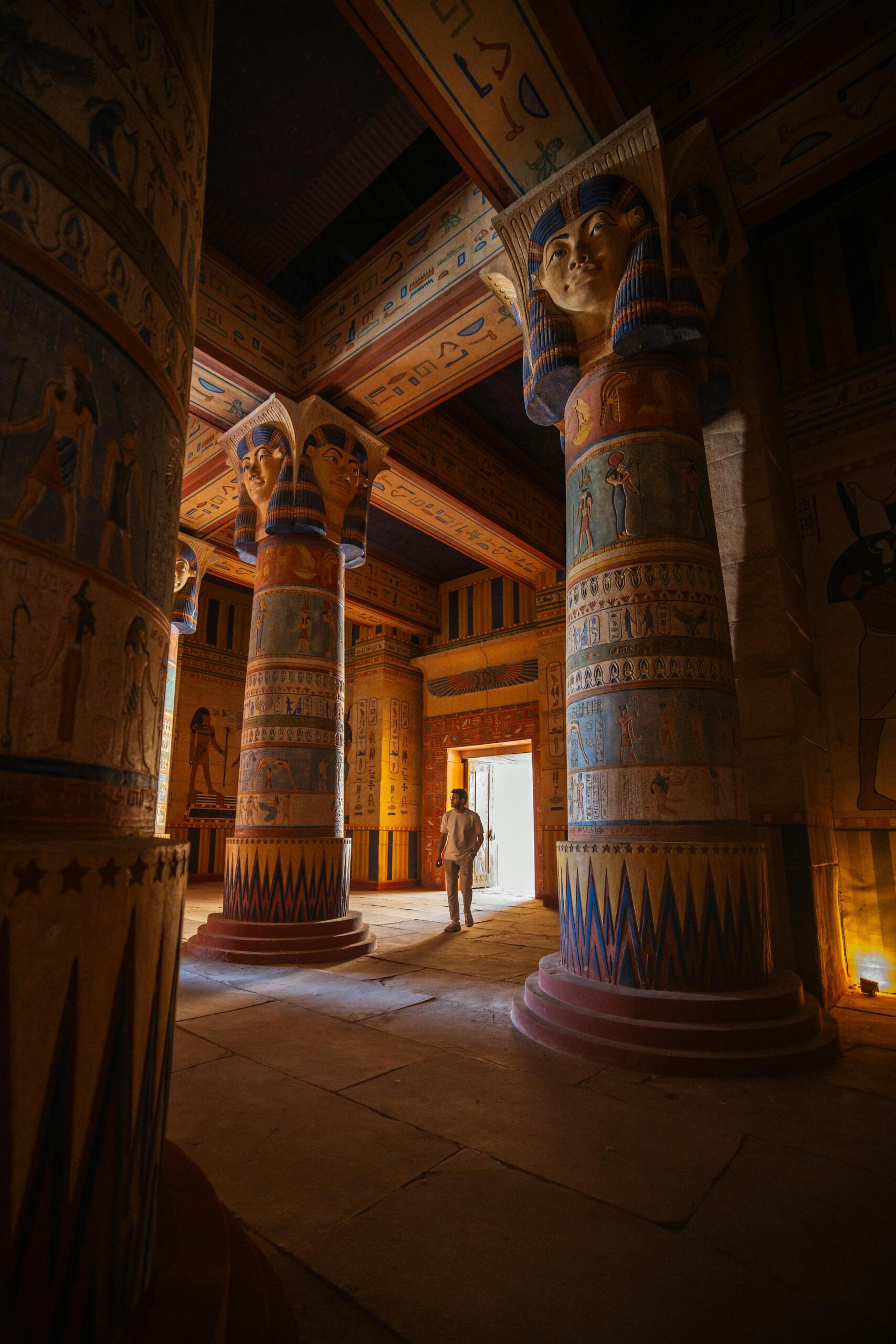
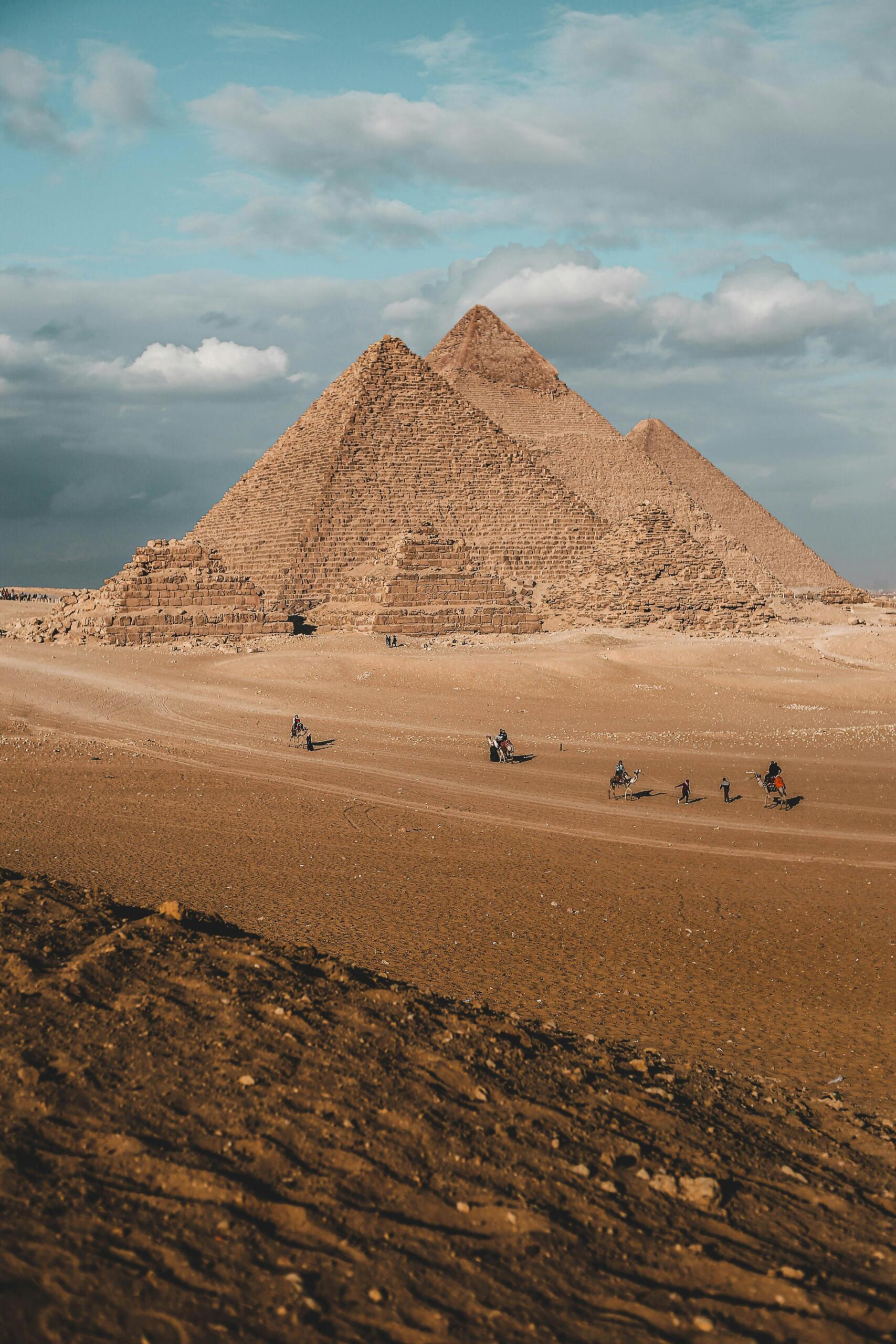
The Ramesseum Temple is the memorial temple or mortuary temple of Pharaoh Ramesses II located on the west bank of the Nile in Luxor, Egypt, is one of the most impressive mortuary temples of ancient Egypt. Built by Pharaoh Ramesses II, also known as Ramesses the Great, this grand structure was dedicated to the god Amun-Ra and served as a lasting monument to the king’s power, achievements, and divine legacy. The temple is best known for its colossal statue of Ramesses II, which once stood over 20 meters tall, and its remarkable reliefs depicting the famous Battle of Kadesh.
The Ramesseum was constructed during the 19th Dynasty of the New Kingdom (1279 BCE - 1213 BCE) under the reign of Pharaoh Ramesses II. This temple was designed as both a mortuary temple and a place of worship, ensuring that Ramesses II would be venerated as a divine ruler even after his death. The temple’s walls contain detailed carvings and inscriptions showcasing the pharaoh’s military triumphs, religious devotion, and connections with the gods. One of the most famous scenes depicts the Battle of Kadesh, where Ramesses II claimed victory over the Hittites. Additionally, the temple complex included granaries, storerooms, and priestly quarters, emphasizing its role as an important economic and religious center. Despite its grandeur, much of the temple has suffered damage over time due to natural erosion, floods, and looting. However, its ruins still stand as a testament to the artistic and architectural genius of ancient Egypt. The Ramesseum was built by Pharaoh Ramesses II, one of Egypt’s most powerful and long-reigning rulers. Known for his military strength, vast construction projects, and promotion of Egyptian culture, Ramesses II sought to immortalize himself through this monumental temple. He commissioned the Ramesseum not only as a place of worship but also as a symbol of his divine authority and achievements. The temple was constructed by highly skilled Egyptian artisans and laborers, many of whom were responsible for other famous monuments such as Abu Simbel and Karnak Temple. It is a reflection of the grandeur, artistic excellence, and religious devotion of ancient Egypt. Ramesses II, also known as Ramesses the Great, was one of Ancient Egypt’s most powerful and influential pharaohs. He ruled during the 19th Dynasty of the New Kingdom (1279 BCE – 1213 BCE), a period of great military expansion, architectural achievements, and cultural flourishing. Ramesses II reigned for an astonishing 66 years, making him one of the longest-serving rulers in Egyptian history. He is best known for his military campaigns, particularly the famous Battle of Kadesh against the Hittites, which is depicted in several temples, including the Ramesseum. He also established a peace treaty with the Hittites, considered one of the first recorded diplomatic agreements in history. Beyond warfare, Ramesses II was a prolific builder, commissioning some of Egypt’s most iconic monuments, including Abu Simbel, the Ramesseum, and extensive additions to Karnak and Luxor Temples. His reign marked a golden age of prosperity, religious devotion, and artistic excellence. Due to his incredible legacy, he was later regarded as one of Egypt’s greatest pharaohs, and his memory endured for centuries. The Ramesseum is a prime example of New Kingdom temple architecture, showcasing massive columns, grand halls, and stunning reliefs. Some of its most remarkable architectural features include: The architectural precision and artistic beauty of the Ramesseum highlight the grandeur of Ramesses II’s reign and his desire for eternal remembrance. Inside the Ramesseum, the grand mortuary temple of Ramesses II in Thebes, visitors can admire breathtaking reliefs and colossal statues that celebrate the pharaoh’s legacy. The hypostyle hall features towering columns adorned with detailed carvings of Ramesses II making offerings to gods such as Amun, Ra-Horakhty, and Osiris. The temple walls depict iconic battle scenes, including the Battle of Kadesh, where the pharaoh is shown riding his chariot into battle, emphasizing his military prowess. One of the most remarkable sights inside is the remains of a colossal seated statue of Ramesses II, once standing at around 17 meters tall. The sanctuary and inner chambers contain intricate reliefs of religious ceremonies, divine processions, and scenes of Ramesses II being blessed by the gods. Additionally, inscriptions on the temple walls detail hymns to Amun and records of the pharaoh’s achievements. Despite centuries of damage, the Ramesseum remains a magnificent tribute to Ramesses II’s power and devotion to the gods. The Ramesseum Temple is located on the west bank of the Nile in Luxor, near other significant ancient sites. This region, known as the Theban Necropolis, is home to some of the most impressive monuments of ancient Egypt. Nearby Attractions: At Top Class Egypt Travel, we specialize in curating extraordinary travel experiences that go beyond the ordinary. From the awe-inspiring pyramids of Giza to the vibrant bazaars of Cairo, our itineraries are crafted to immerse you in the rich tapestry of Egyptian history, culture, and natural beauty.

History of the Ramesseum Temple

Who Built the Ramesseum Temple?
Who Was Pharaoh Ramesses II?

Architectural Marvel of the Ramesseum Temple

What inside Ramesseum temple?
Facts About the Ramesseum Temple

Location and Nearby Attractions

Request a Call
Our latest Posts



Discover Egypt in Style: Tailor-Made Holidays for Unforgettable Adventures
Explore Egypt like never before with our tailor-made holidays, designed to cater to your unique preferences and create unforgettable memories.
Got Questions?
Frequently Asked Questions
Everything you need to know about traveling to Egypt
How can I book an Egypt day tour?
Booking through reputable tour operators or agencies is advisable. You can also book tours through the website www.topclassegypttravel.com or WhatsApp us at +201221029071.
Are guided tours necessary?
While you can explore some sites independently, guided tours often provide valuable historical and cultural insights. It's recommended to hire a guide for complex historical sites like the Pyramids.
What's the best time to visit Egypt?
Egypt's peak tourist season is from October to April when the weather is cooler. However, if you prefer fewer crowds and lower prices, consider visiting during the shoulder seasons.
What should I wear during the tours?
When visiting religious sites and conservative areas, it's respectful to dress modestly. Light, breathable clothing and comfortable shoes are recommended.
Is it safe to travel to Egypt?
Egypt has made substantial efforts to enhance the safety and security of tourists. While it's always important to stay informed and exercise caution, many travelers visit Egypt without any issues.
What draws travelers to Egypt?
Egypt's appeal lies in its rich history, featuring ancient sites dating back over 4,000 years, alongside captivating city resorts and pristine beaches. Your Egyptian journey promises the vacation of your dreams.
What are the transportation options?
When it comes to getting around Egypt, a taxi is often the fastest choice, particularly in Cairo. Alternatively, you can opt for the efficient metro system when roads are congested.
What languages are spoken in Egypt?
Arabic is the official language of Egypt, but most Egyptians in urban areas understand and speak some English. Professional tour guides offer guidance in English and other languages.
What are the best activities to enjoy?
Egypt offers diverse activities: Nile Cruises, hot air balloon rides, Egyptian cuisine, shopping in Old Cairo, diving and snorkeling in the Red Sea, and Western Desert safaris.
Why choose Top Class Egypt Travel?
With over 20 years of experience, we create remarkable vacations across Egypt. We tailor all tours to your specific needs. Your safety and comfort are our top priorities.