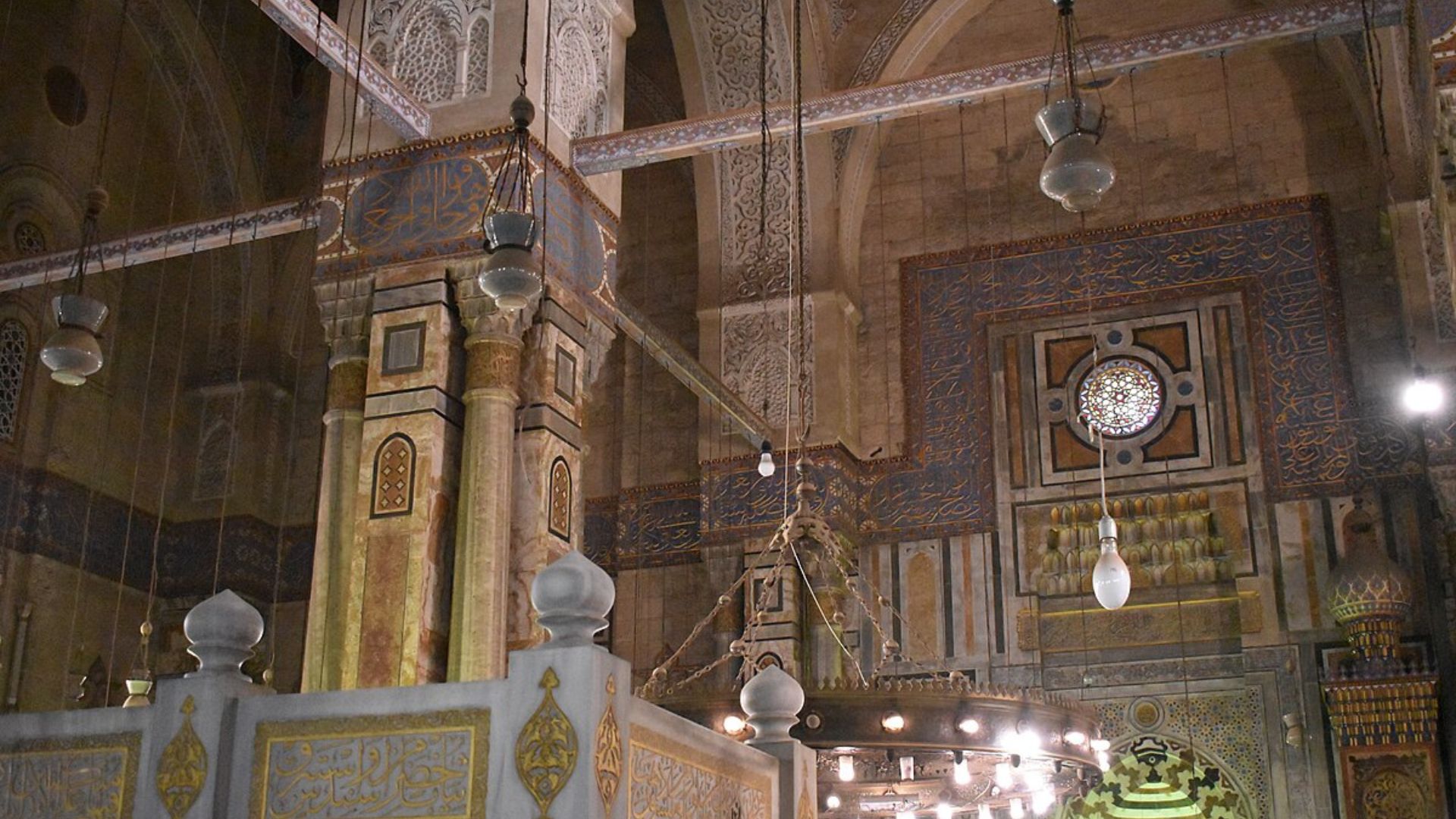
The Al Rifai Mosque is located in the Citadel of Cairo Square, an outstanding example of Islamic architecture in Egypt's rich religious. The mosque is situated in the. This famous structure, which is next to the Sultan Hassan Mosque, serves as a tomb for prominent personalities in Islamic history as well as members of the Egyptian royal family. It is a must-see attraction for both visitors and religious adherents because to its breathtaking architectural design and historical value.
History of Al Rifai Mosque
Under the direction of Khoshiar Hanem, Khedive Ismail's mother, work on the Al Rifai Mosque started in 1869 with the intention of constructing a stately religious institution that would act as a mausoleum for the Muhammad Ali Dynasty. The mosque was built as a compliment to the 14th-century Sultan Hassan Mosque, which is located nearby. But under Khedive Abbas Helmy II's rule, building was put on hold for a number of years due to political unrest and financial issues, and it wasn't finished until 1912.
The mosque bears the name of Ahmad Al Rifai, the founder of the Rifai Sufi order and a renowned Islamic philosopher from the 12th century. The mosque's commitment to Sufi teachings was motivated by his spiritual legacy, even though he was never laid to rest here. Al Rifai Mosque has served as the final resting place for a number of Egyptian monarchs over the years, including Shah Mohammad Reza Pahlavi, the exiled Shah of Iran, and King Farouk, the last king of Egypt.
Who Built Al Rifai Mosque?
Al Rifai Mosque in Cairo, Egypt, was commissioned by Khoshiar Hanem, the mother of Khedive Isma'il, in the 19th century. The mosque was designed to serve as a royal mausoleum for the Muhammad Ali dynasty and was constructed between 1869 and 1912. Its design, influenced by Mamluk architecture, was executed by the Hungarian architect Max Herz, who oversaw its completion after initial construction efforts stalled. Today, the mosque houses the tombs of several members of the Egyptian royal family, including King Farouk and the last Shah of Iran, Mohammad Reza Pahlavi.
Architecture of Al Rifai Mosque
One of Cairo's most outstanding mosques, Al Rifai Mosque shows a beautiful combination of Ottoman, Mamluk, and Islamic architectural styles. The mosque, which was created by renowned Egyptian architect Hussein Pasha Fahmi, blends traditional Islamic themes with European influences.
The mosque's massive exterior is adorned with intricate carvings, towering minarets, and grand archways. The entrance is designed by wooden doors adorned with golden inscriptions, showing the influences of Ottoman and Mamluk architecture.
Events Held in Al Rifai Mosque
Cairo's Al Rifai Mosque is an important place of worship. Sufi festivities, Islamic lectures, and religious meetings are held there. The mosque becomes a center of religious activity during major Islamic holidays like Eid and Ramadan, drawing people from all around the nation. The historical significance of the mausoleum also attracts tourists who come to honor Egypt's former rulers and dignitaries.
Location and How to Get There
Al Rifai Mosque lies in the heart of Cairo, near the Historic Islamic District, next to the Sultan Hassan Mosque. This location is a significant historical and cultural attraction , anyone interested in Islamic architecture must visit these two amazing mosques next to each others Al Rifai Mosque and Sultan Hassan Mosque.
Visiting Al Rifai Mosque
Al Rifai Mosque is open every day from 9 AM to 5 PM, but visitors should be aware of prayer times and wearing modest clothes.
In our Day Tour Packages, we care to include especially in Cairo Tours all the attractions of Islamic Cairo and Coptic Cairo to suit the preference of every visitor.
Discover Egypt in Style: Tailor-Made Holidays for Unforgettable Adventures
Explore Egypt like never before with our tailor-made holidays, designed to cater to your unique preferences and create unforgettable memories.