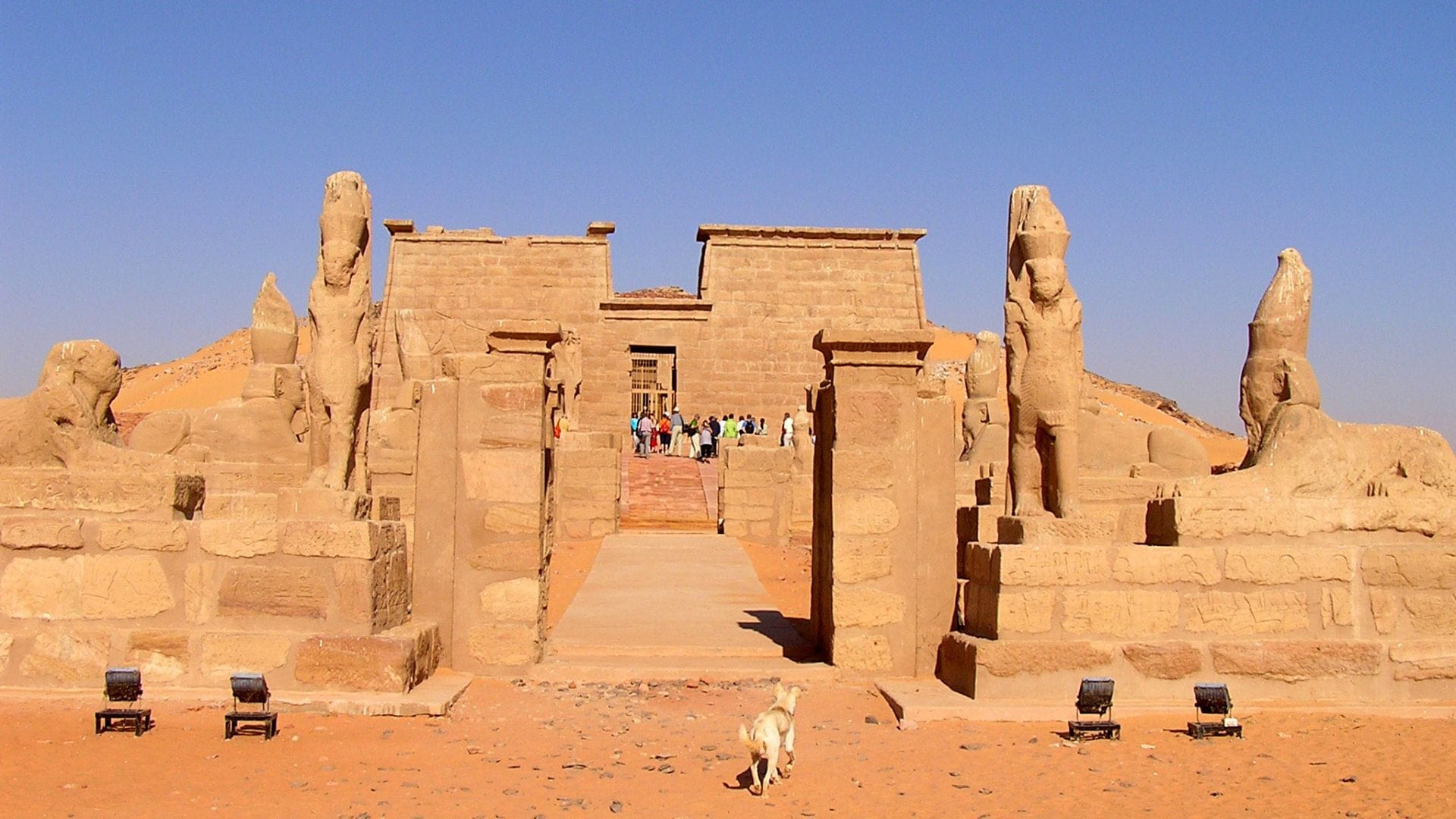
The Temple of Hibis is a remarkably well-preserved religious structure from ancient Egypt, situated in the Kharga Oasis in the Western Desert. This temple, built during the Late Period of Egyptian history, stands out as one of the few surviving temples from the Saite and Persian Dynasties. Dedicated to the god Amun, it serves as a fascinating relic that offers insight into Egypt’s religious and artistic traditions during a time of foreign rule.
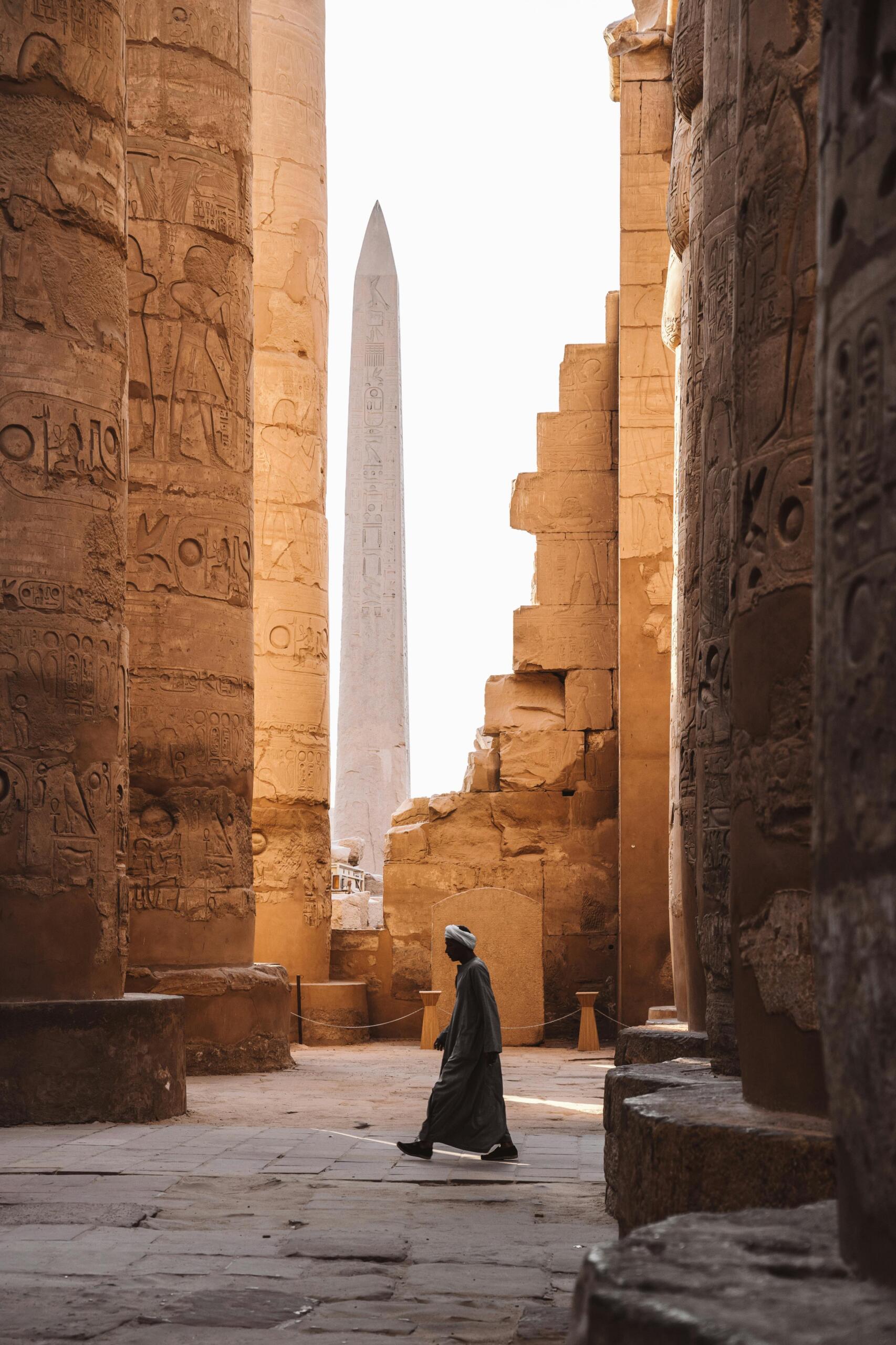
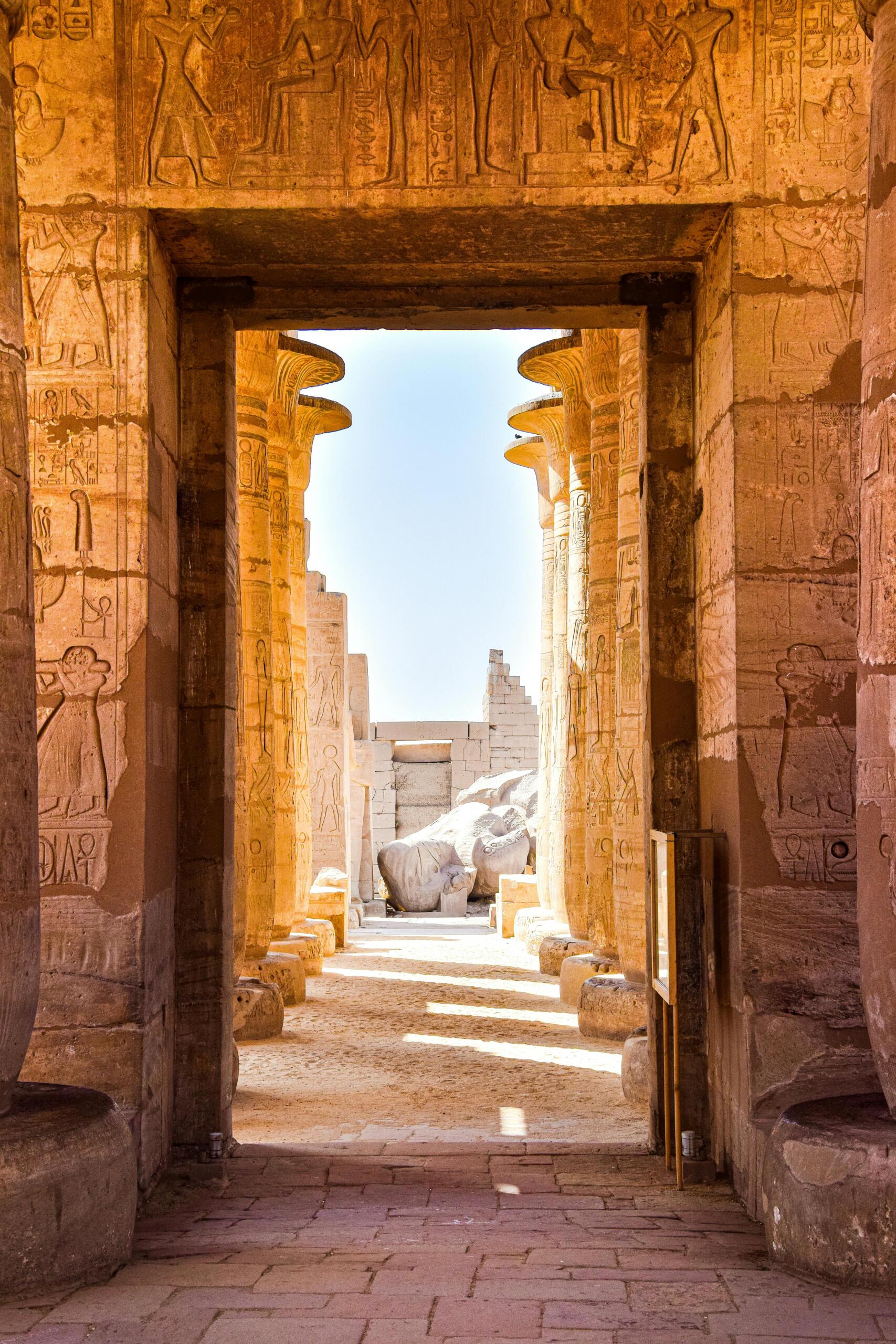
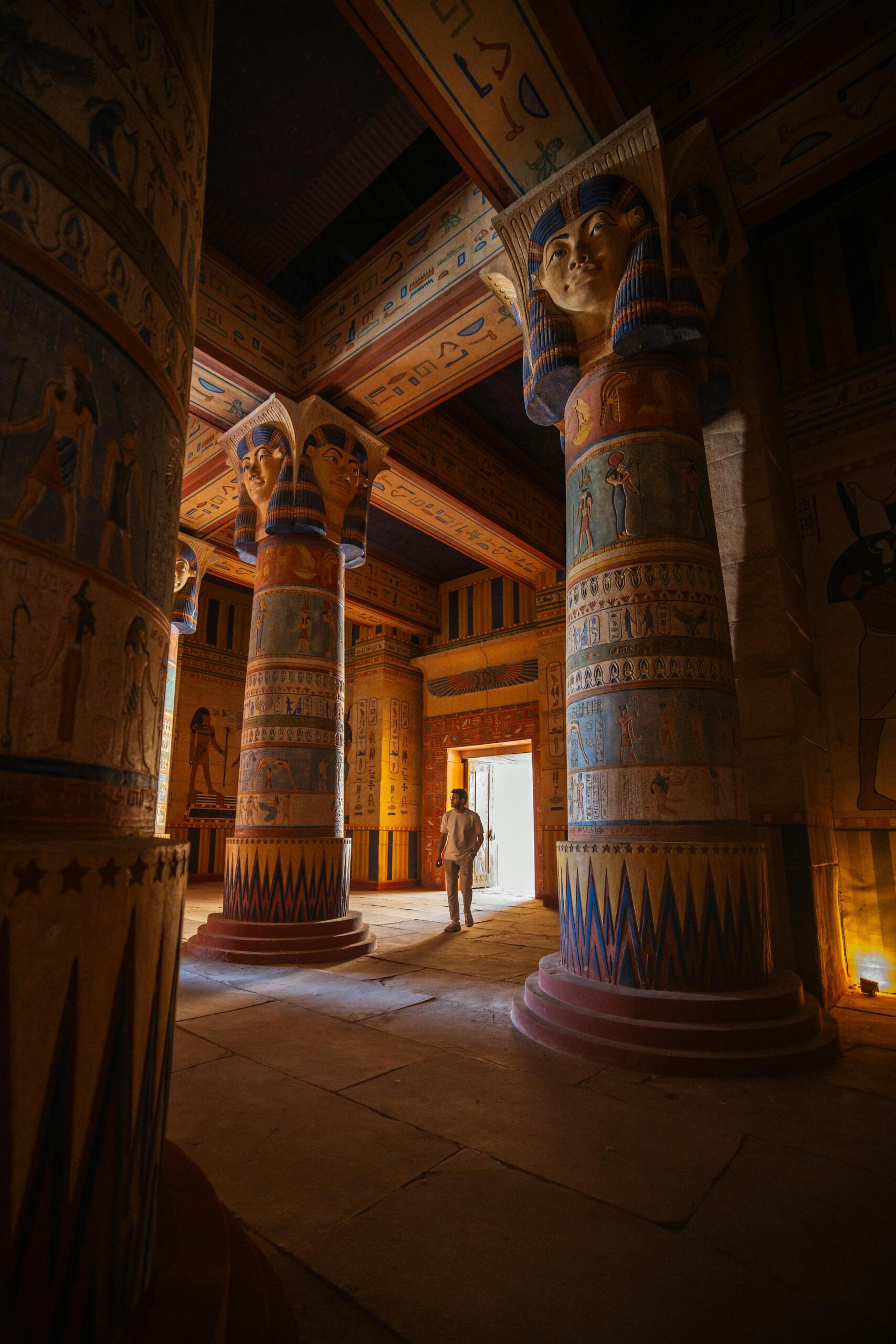
The Temple of Hibis, located in the Kharga Oasis of Egypt, is the largest and best-preserved temple in the western oases. It dates back to the Twenty-seventh Dynasty (c. 525-404 BC) during the Persian occupation of Egypt. The oasis, once rich in natural water sources, served as an important stop for desert caravans. The nearby town, originally known as Hebet, was later called Hibis by the Greeks, giving the temple its name. The construction of the Temple of Hibis began during the 26th Dynasty (around the 6th century BCE) under Pharaoh Psamtik II, a ruler of the Saite Period. It was later expanded and completed by the Persian kings who ruled Egypt during the 27th Dynasty, particularly Darius I. This makes the temple one of the rare examples of Persian-era Egyptian architecture. Despite being built during a time of foreign influence, the temple maintains traditional Egyptian artistic styles and religious elements, showcasing the enduring strength of Egyptian culture. Over the centuries, the temple fell into disuse but remained remarkably well-preserved due to its desert location. Restoration efforts in modern times have helped protect this historical site from further decay. Primarily dedicated to Amun-Ra of Hibis, the temple also honored the Theban triad—Amun-Ra, Mut, and Khonsu—along with other deities. Though originally thought to have been built solely by Darius I, research indicates its construction began during the Twenty-sixth Dynasty and was later completed under Persian rule. The temple's design reflects a blend of Egyptian and Persian influences, and evidence suggests it was built over an earlier structure, as some reused stone blocks contain inscriptions from older monuments. The Temple of Hibis follows the classic Egyptian temple layout, with key features that reflect both traditional designs and later modifications: One of the most fascinating aspects of the Temple of Hibis is its cosmological inscriptions, which provide valuable information on Egyptian beliefs during the Late Period. These texts discuss creation myths and the divine role of Amun in shaping the universe. The temple’s construction was initiated by Pharaoh Psamtik II (26th Dynasty), but much of its expansion and decoration were carried out under Darius I, one of the Achaemenid Persian rulers of Egypt. Despite being a foreigner, Darius I sought to align himself with Egyptian traditions, commissioning projects like the Temple of Hibis to showcase his legitimacy as Pharaoh and his devotion to the gods of Egypt. Pharaoh Psamtik II was a ruler of the 26th Dynasty of Egypt, reigning from 595 to 589 BCE during the Saite Period. He is known for his military campaigns, particularly against the Kushites in Nubia, where he attempted to weaken their influence over southern Egypt. Unlike some of his predecessors, Psamtik II emphasized Egyptian traditions and sought to restore the country’s cultural and religious heritage after periods of foreign interference. His contributions to temple-building, including the Temple of Hibis, reflect his devotion to the gods and his effort to maintain Egyptian identity during a politically complex era. The drawings and reliefs of the Temple of Hibis are among the finest examples of Late Period Egyptian artistry, showcasing a blend of traditional iconography and unique stylistic elements from the Persian occupation of Egypt. The temple walls are adorned with intricate scenes of Amun, Mut, and Khonsu, the principal deities worshipped here. One of the most remarkable features is the depiction of King Darius I, presented in the classic Egyptian pharaonic pose, making offerings to the gods—an intentional effort to solidify his legitimacy as ruler of Egypt. Other significant drawings include detailed cosmological inscriptions, ritual processions, and symbolic representations of the divine protection of Egypt, emphasizing the temple's role as a sacred space of worship and political power. These artistic elements provide valuable insight into Egypt’s cultural and religious landscape during the Persian rule. As a temple dedicated to Amun-Ra, the supreme deity of Thebes, Hibis played a crucial role in the religious life of the Kharga Oasis. The inscriptions and artwork reflect themes of divine protection, kingship, and offerings to the gods. The presence of both Egyptian and Persian elements suggests a blending of cultures, highlighting how foreign rulers adopted and adapted local traditions to legitimize their rule. The Temple of Hibis is located in Kharga Oasis, one of Egypt’s largest oases in the Western Desert. It lies approximately 2 kilometers north of Kharga city and is part of a broader archaeological landscape that includes ancient ruins, Christian-era monasteries, and desert fortresses. Nearby Attractions: At Top Class Egypt Travel, we specialize in curating extraordinary travel experiences that go beyond the ordinary. From the awe-inspiring pyramids of Giza to the vibrant bazaars of Cairo, our itineraries are crafted to immerse you in the rich tapestry of Egyptian history, culture, and natural beauty.

History of the Temple of Hibis

Construction of Temple of Hibis

Who Built the Temple of Hibis?

Who Was Pharaoh Psamtik II?

Drawings of the Temple of Hibis

Location and Nearby Attractions

Facts About the Temple of Hibis

Request a Call
Our latest Posts




Discover Egypt in Style: Tailor-Made Holidays for Unforgettable Adventures
Explore Egypt like never before with our tailor-made holidays, designed to cater to your unique preferences and create unforgettable memories.
Got Questions?
Frequently Asked Questions
Everything you need to know about traveling to Egypt
How can I book an Egypt day tour?
Booking through reputable tour operators or agencies is advisable. You can also book tours through the website www.topclassegypttravel.com or WhatsApp us at +201221029071.
Are guided tours necessary?
While you can explore some sites independently, guided tours often provide valuable historical and cultural insights. It's recommended to hire a guide for complex historical sites like the Pyramids.
What's the best time to visit Egypt?
Egypt's peak tourist season is from October to April when the weather is cooler. However, if you prefer fewer crowds and lower prices, consider visiting during the shoulder seasons.
What should I wear during the tours?
When visiting religious sites and conservative areas, it's respectful to dress modestly. Light, breathable clothing and comfortable shoes are recommended.
Is it safe to travel to Egypt?
Egypt has made substantial efforts to enhance the safety and security of tourists. While it's always important to stay informed and exercise caution, many travelers visit Egypt without any issues.
What draws travelers to Egypt?
Egypt's appeal lies in its rich history, featuring ancient sites dating back over 4,000 years, alongside captivating city resorts and pristine beaches. Your Egyptian journey promises the vacation of your dreams.
What are the transportation options?
When it comes to getting around Egypt, a taxi is often the fastest choice, particularly in Cairo. Alternatively, you can opt for the efficient metro system when roads are congested.
What languages are spoken in Egypt?
Arabic is the official language of Egypt, but most Egyptians in urban areas understand and speak some English. Professional tour guides offer guidance in English and other languages.
What are the best activities to enjoy?
Egypt offers diverse activities: Nile Cruises, hot air balloon rides, Egyptian cuisine, shopping in Old Cairo, diving and snorkeling in the Red Sea, and Western Desert safaris.
Why choose Top Class Egypt Travel?
With over 20 years of experience, we create remarkable vacations across Egypt. We tailor all tours to your specific needs. Your safety and comfort are our top priorities.