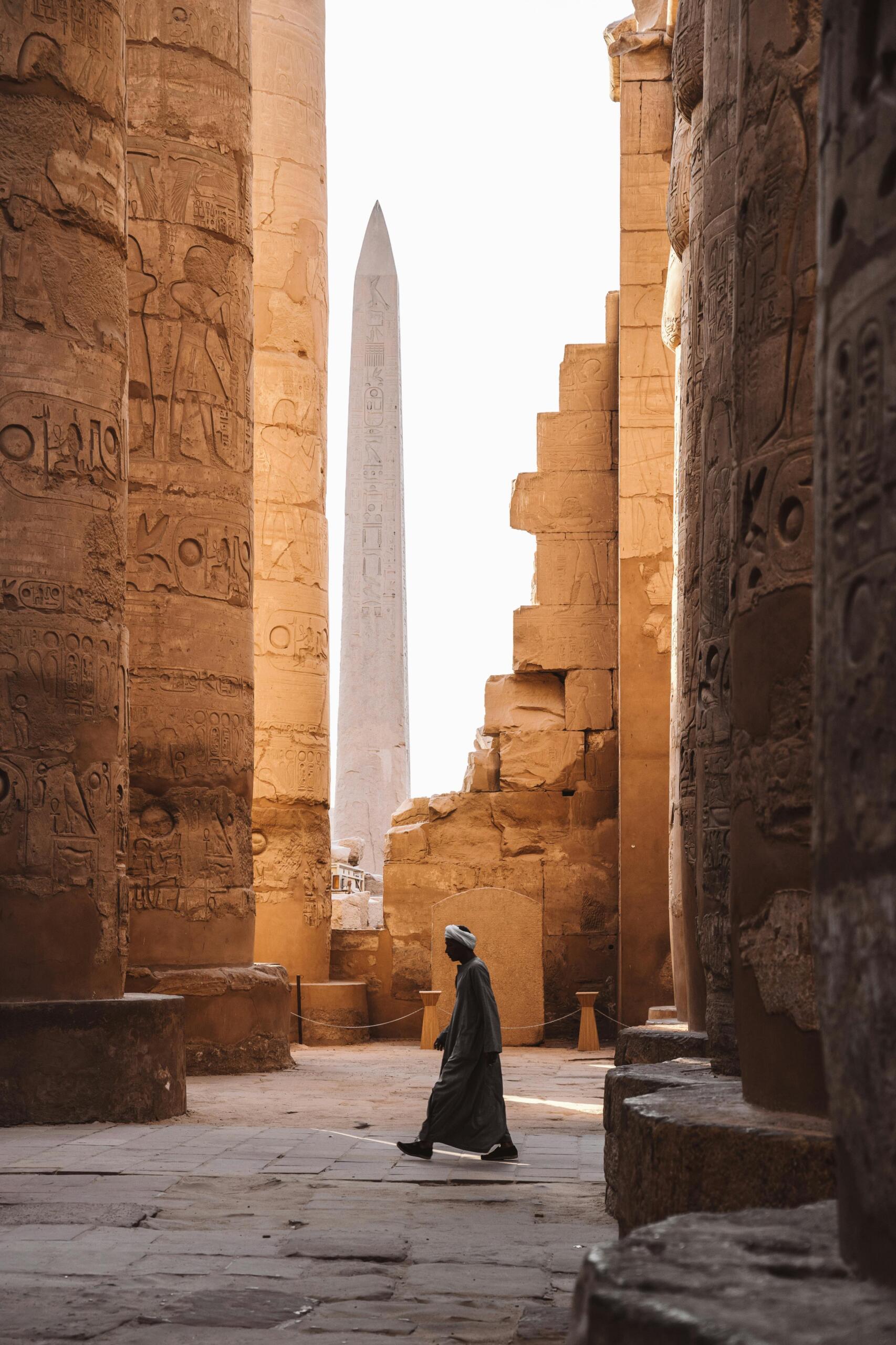
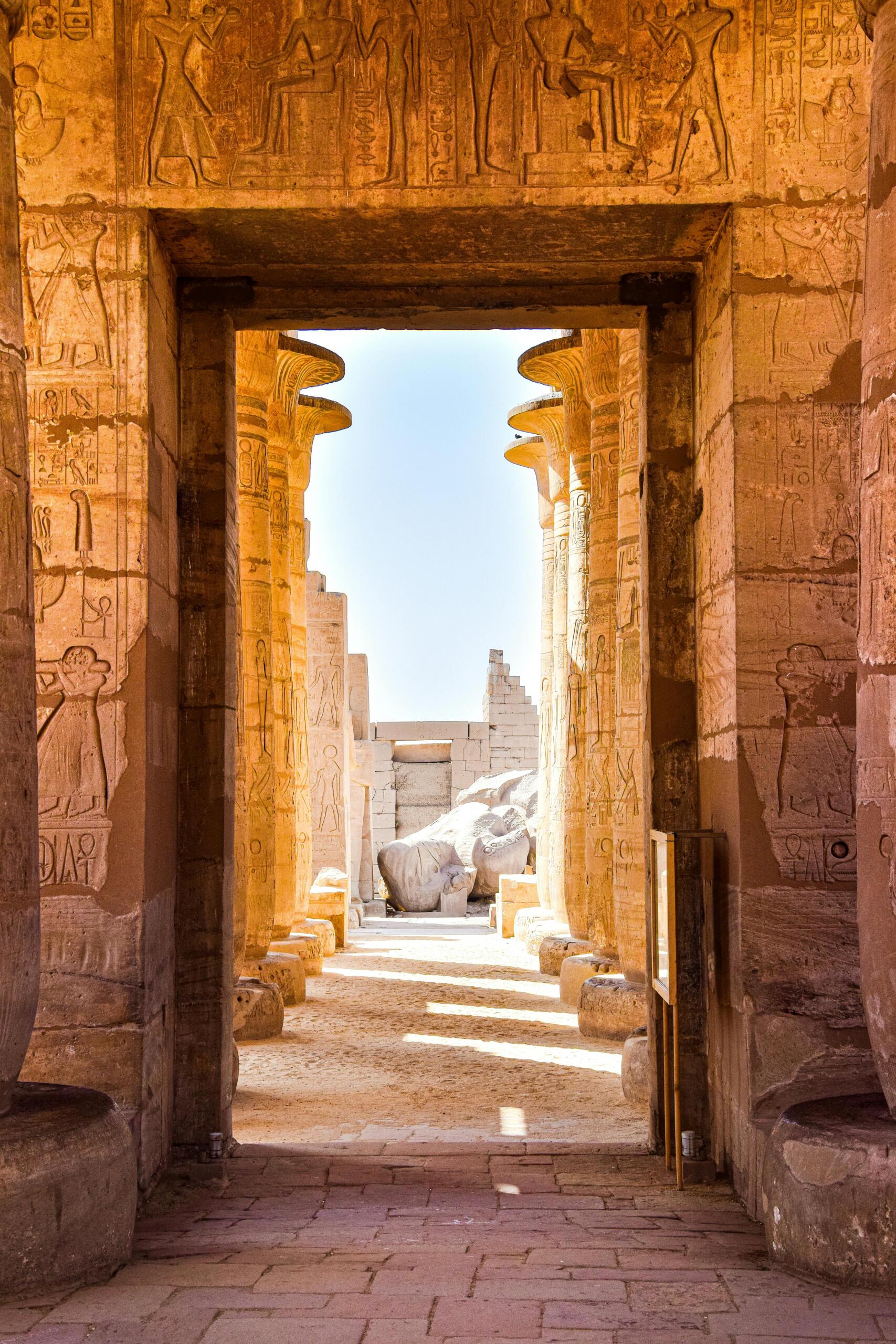
The Hatshepsut Temple, also known as the Mortuary Temple of Hatshepsut, is one of the most magnificent architectural masterpieces of ancient Egypt. Nestled in the cliffs of Deir el-Bahari, on the west bank of the Nile River near Luxor, this temple is a stunning tribute to Queen Hatshepsut, one of Egypt’s most powerful and enigmatic rulers. The temple’s grand terraces, elegant colonnades, and beautifully preserved reliefs make it a must-visit for history and architecture enthusiasts.
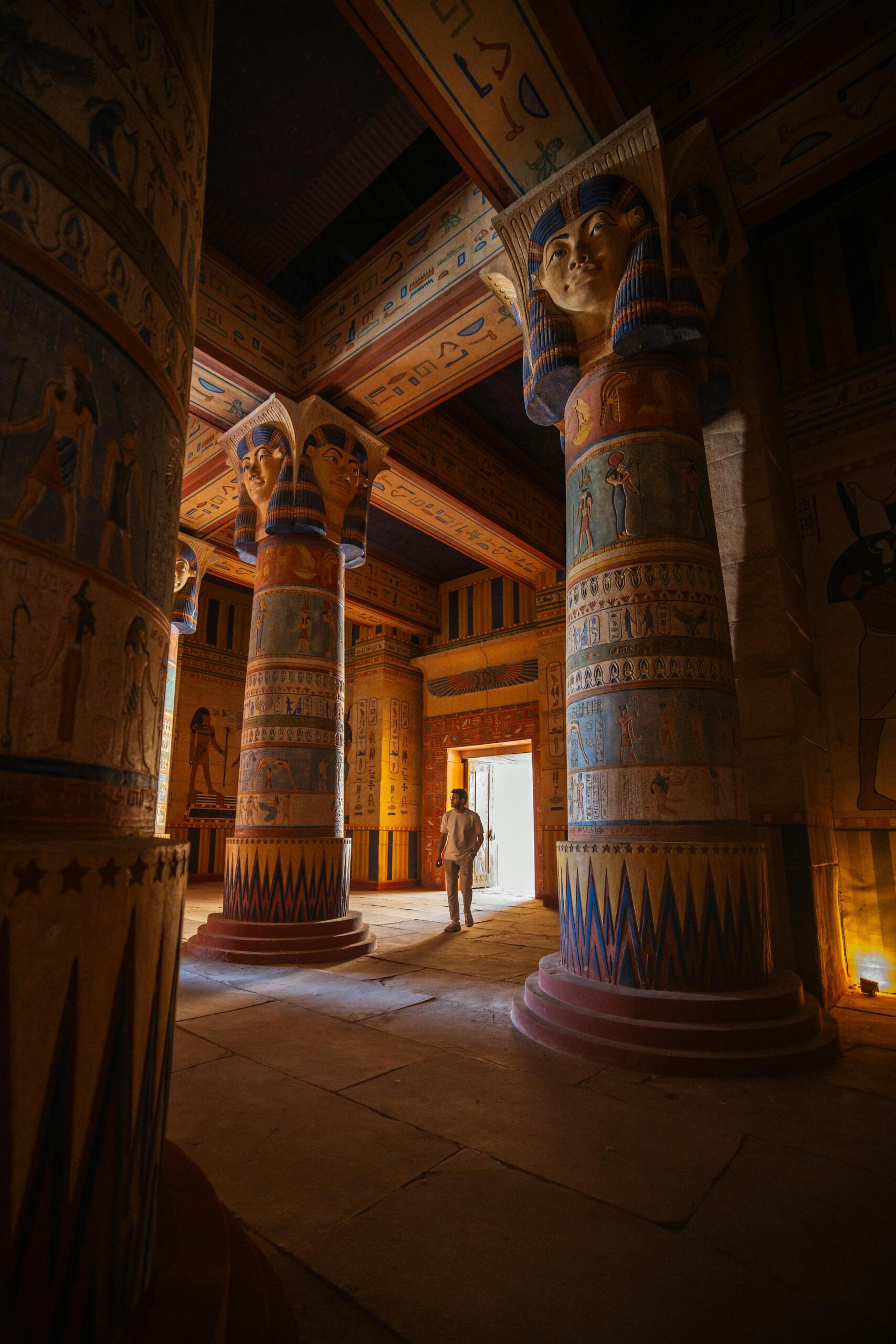
The construction of Hatshepsut Temple began in the 15th century BCE, during the reign of Queen Hatshepsut (1479–1458 BCE), the first female pharaoh to rule Egypt with full authority. She commissioned the temple as part of her grand plan to immortalize her legacy and reinforce her divine connection to the gods. Designed by her chief architect, Senenmut, the temple was dedicated to the sun god Amun-Ra and served as a site for religious ceremonies, including the Beautiful Festival of the Valley. Despite her efforts to be remembered, after her death, her successor and stepson, Thutmose III, attempted to erase her legacy. Many of her statues and inscriptions were defaced or removed. However, the temple itself survived and stands today as one of Egypt’s most impressive ancient structures. Hatshepsut Temple is a perfect example of ancient Egyptian architectural brilliance, seamlessly blending with the surrounding cliffs of Deir el-Bahari. The temple is built on three massive terraces, connected by grand ramps, and features imposing colonnades, intricately carved reliefs, and sanctuaries dedicated to various gods. Key Architectural Features: The temple was commissioned by Queen Hatshepsut, one of ancient Egypt’s most successful and influential rulers. Her chief architect, Senenmut, designed the temple with innovative engineering techniques that made it a unique structure in Egyptian history. The temple was built to glorify Hatshepsut’s reign and to serve as her mortuary temple, ensuring her eternal legacy. Queen Hatshepsut was one of the most remarkable rulers of ancient Egypt and one of the few women to assume the title of Pharaoh. She reigned during the 18th Dynasty (c. 1479–1458 BCE) and is remembered for her peaceful and prosperous rule, ambitious construction projects, and efforts to legitimize her authority in a traditionally male-dominated role. A Female Pharaoh Breaking Traditions Economic Growth and Trade Expeditions Architectural Achievements Religious Influence Legacy and Erasure Visitors to Hatshepsut Temple can admire its grand terraces, towering colonnades, and intricate carvings that tell the story of Egypt’s first female pharaoh. One of the most fascinating sights is the Punt Expedition Reliefs, which depict Hatshepsut’s successful trade journey to the mysterious Land of Punt. The Chapel of Hathor, featuring beautifully sculpted columns with the face of the goddess, and the Chapel of Anubis, dedicated to the god of the afterlife, offer a glimpse into ancient Egyptian religious beliefs. The Sanctuary of Amun-Ra, hidden deep within the temple, showcases inscriptions that reinforce Hatshepsut’s divine birth. Each section of the temple is a masterpiece, reflecting both the artistic excellence and political ambitions of one of Egypt’s greatest rulers. Now, with our Luxor Tours, you will explore the magic of ancient Egypt in Luxor, the world’s greatest open-air museum! Walk among the grand temples of Karnak and Luxor, marvel at the Valley of the Kings, and explore the treasures of the Luxor Museum. Plan your visit today and uncover the secrets of the Pharaohs! At Top Class Egypt Travel, we specialize in curating extraordinary travel experiences that go beyond the ordinary. From the awe-inspiring pyramids of Giza to the vibrant bazaars of Cairo, our itineraries are crafted to immerse you in the rich tapestry of Egyptian history, culture, and natural beauty.

History of Hatshepsut Temple

Architecture of Hatshepsut Temple

Who Built Hatshepsut Temple?

What is the Signficance of Queen Hatshepsut in Ancient Egypt?

Significance of Queen Hatshepsut in Ancient Egypt
Hatshepsut was unique because she declared herself Pharaoh rather than serving as a regent for her stepson, Thutmose III. To strengthen her claim to the throne, she adopted male pharaonic symbols, including wearing a false beard and being depicted in statues as a male ruler.
Her reign was marked by economic prosperity, largely due to successful trade expeditions. One of her greatest achievements was the famous expedition to the Land of Punt, which brought back gold, incense, myrrh, and exotic animals, greatly enriching Egypt’s economy.
Hatshepsut commissioned magnificent building projects, the most famous being the Mortuary Temple of Hatshepsut in Deir el-Bahari, near Luxor. This temple is considered one of the greatest architectural masterpieces of ancient Egypt. She also restored many temples and monuments across the country.
She promoted the worship of Amun-Ra, Egypt’s chief deity, and associated herself with divine birth myths to solidify her legitimacy. Many of her temples and statues depict her making offerings to the gods, reinforcing her role as a religious leader.
After her death, her successor Thutmose III attempted to erase her legacy, removing her name from monuments and replacing her images. However, modern archaeology has restored her place in history, recognizing her as one of Egypt’s most successful and influential pharaohs.Fascinating Facts About Hatshepsut Temple

Things You Can See at Hatshepsut Temple

Request a Call
Our latest Posts




Discover Egypt in Style: Tailor-Made Holidays for Unforgettable Adventures
Explore Egypt like never before with our tailor-made holidays, designed to cater to your unique preferences and create unforgettable memories.
Got Questions?
Frequently Asked Questions
Everything you need to know about traveling to Egypt
How can I book an Egypt day tour?
Booking through reputable tour operators or agencies is advisable. You can also book tours through the website www.topclassegypttravel.com or WhatsApp us at +201221029071.
Are guided tours necessary?
While you can explore some sites independently, guided tours often provide valuable historical and cultural insights. It's recommended to hire a guide for complex historical sites like the Pyramids.
What's the best time to visit Egypt?
Egypt's peak tourist season is from October to April when the weather is cooler. However, if you prefer fewer crowds and lower prices, consider visiting during the shoulder seasons.
What should I wear during the tours?
When visiting religious sites and conservative areas, it's respectful to dress modestly. Light, breathable clothing and comfortable shoes are recommended.
Is it safe to travel to Egypt?
Egypt has made substantial efforts to enhance the safety and security of tourists. While it's always important to stay informed and exercise caution, many travelers visit Egypt without any issues.
What draws travelers to Egypt?
Egypt's appeal lies in its rich history, featuring ancient sites dating back over 4,000 years, alongside captivating city resorts and pristine beaches. Your Egyptian journey promises the vacation of your dreams.
What are the transportation options?
When it comes to getting around Egypt, a taxi is often the fastest choice, particularly in Cairo. Alternatively, you can opt for the efficient metro system when roads are congested.
What languages are spoken in Egypt?
Arabic is the official language of Egypt, but most Egyptians in urban areas understand and speak some English. Professional tour guides offer guidance in English and other languages.
What are the best activities to enjoy?
Egypt offers diverse activities: Nile Cruises, hot air balloon rides, Egyptian cuisine, shopping in Old Cairo, diving and snorkeling in the Red Sea, and Western Desert safaris.
Why choose Top Class Egypt Travel?
With over 20 years of experience, we create remarkable vacations across Egypt. We tailor all tours to your specific needs. Your safety and comfort are our top priorities.