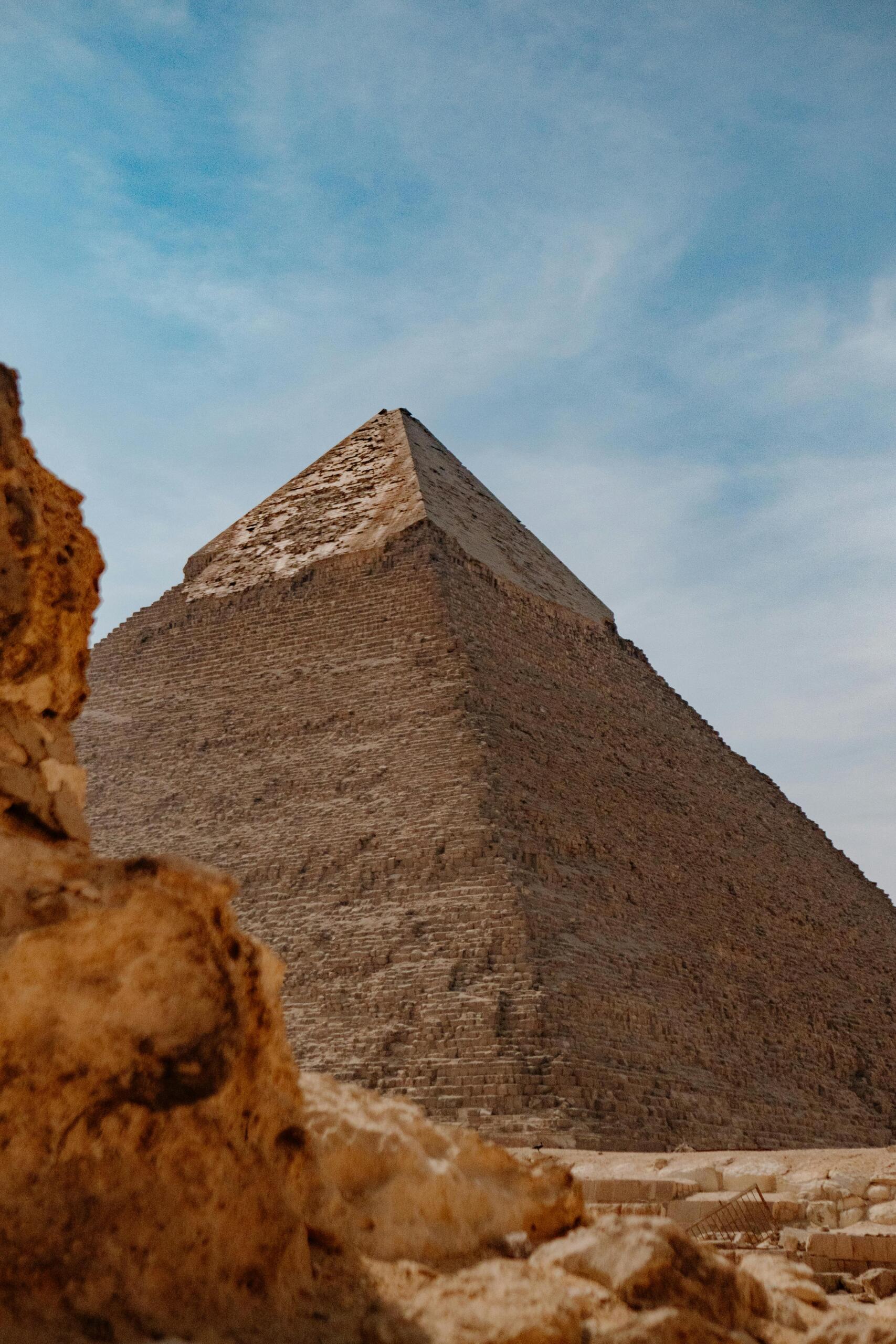
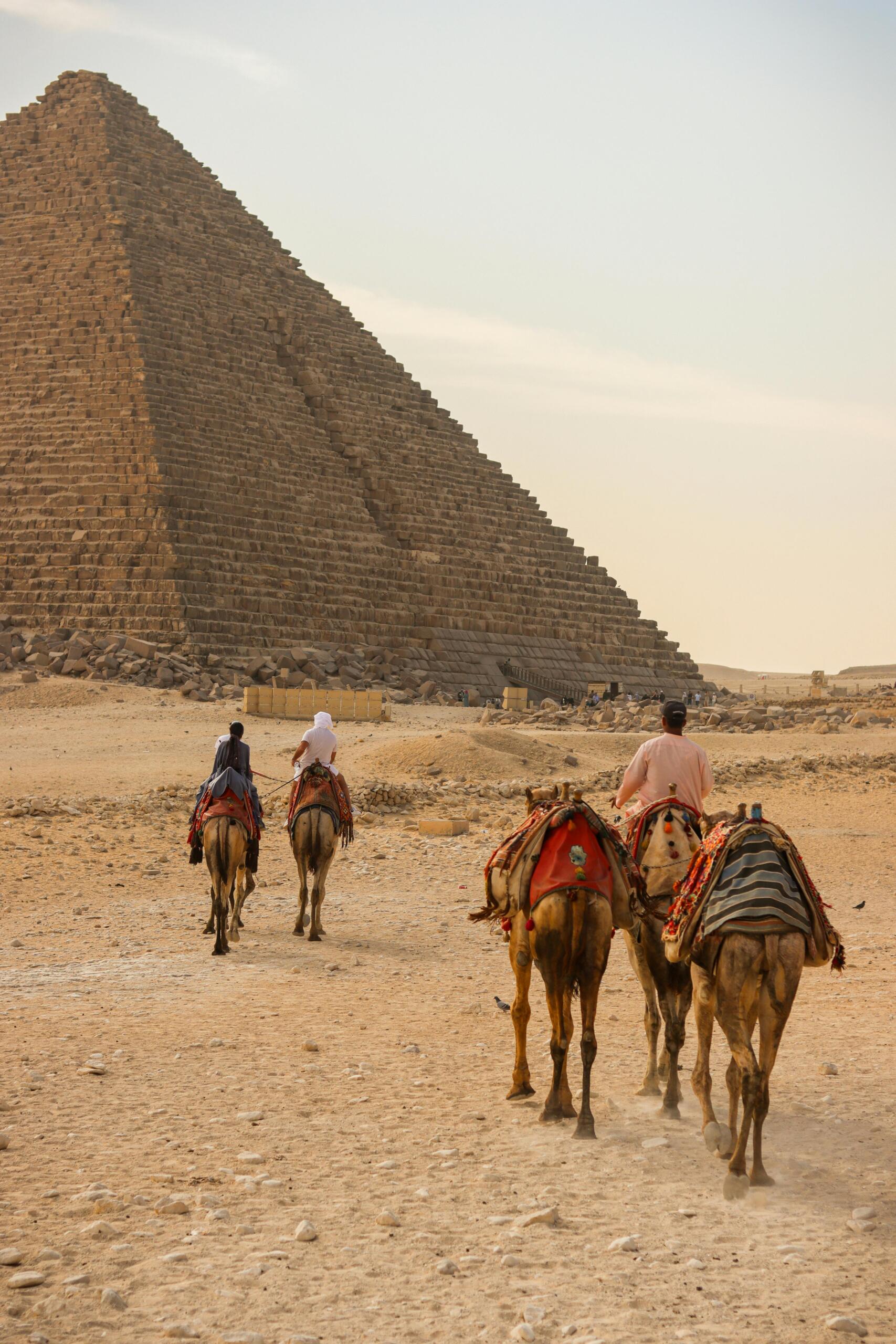
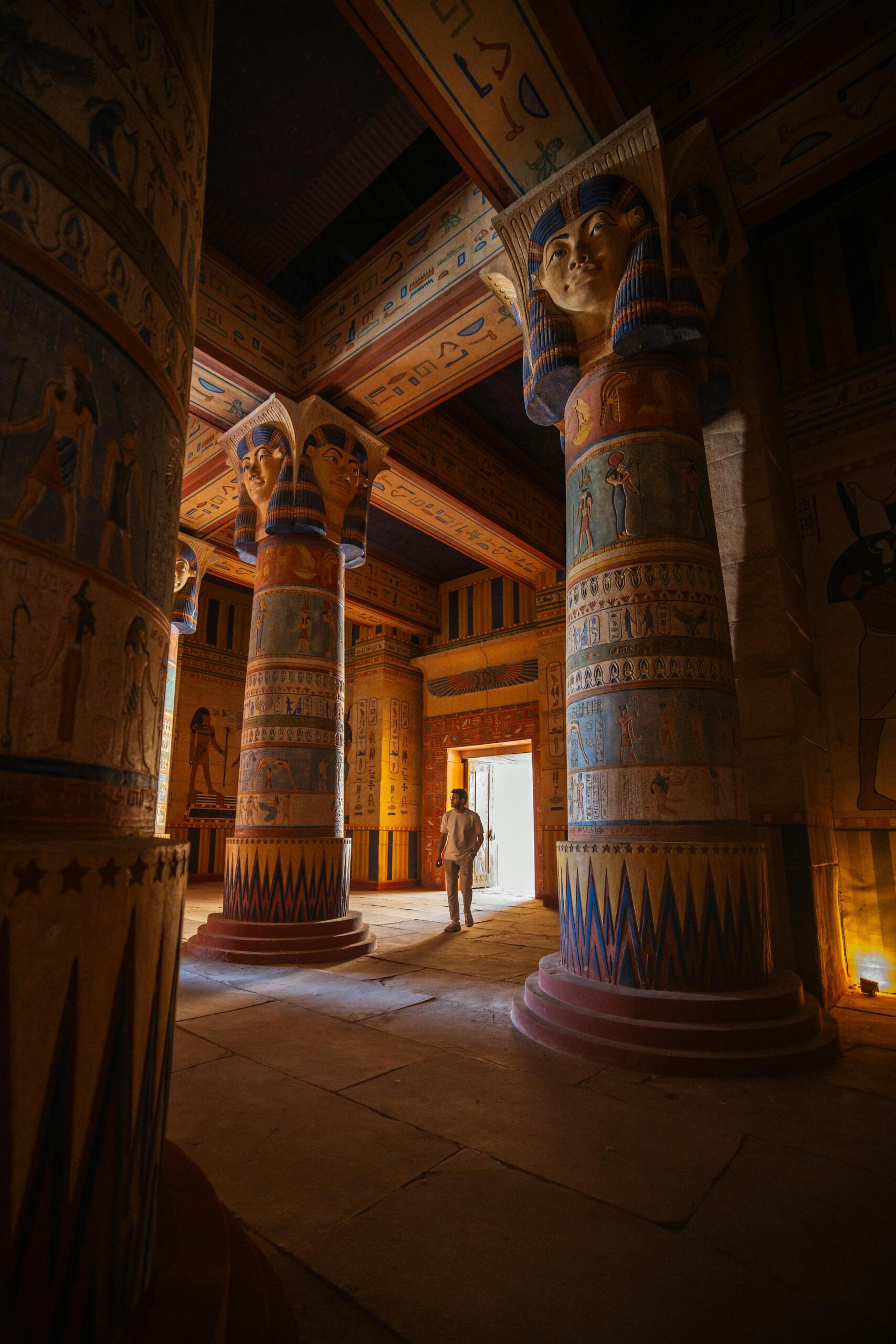
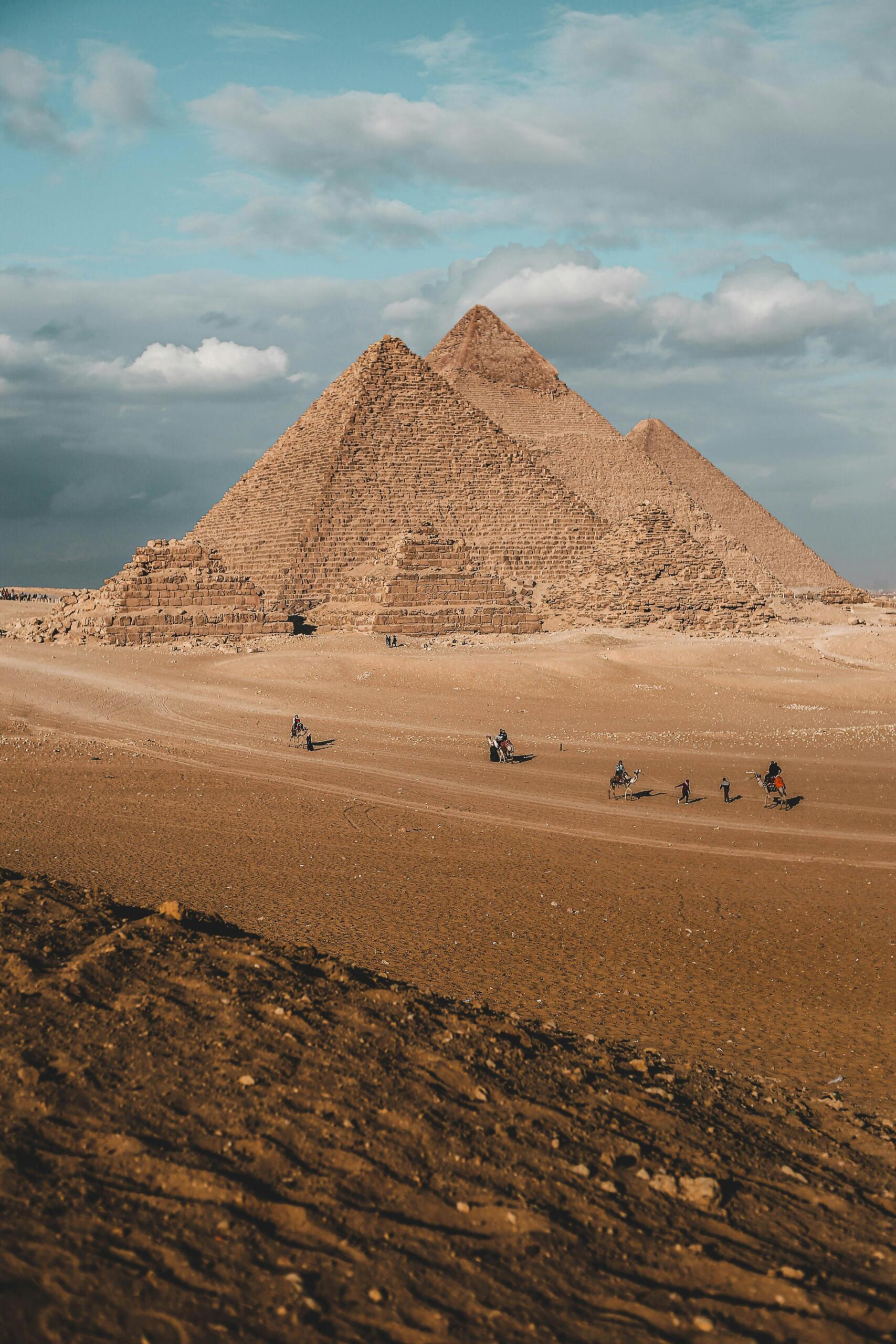
The Pyramid of Menkaure is one of the three major pyramids on the Giza Plateau, standing as a lasting tribute to the reign of Pharaoh Menkaure. Though smaller than the pyramids of Khufu and Khafre, it remains a fascinating structure with unique architectural features and historical significance. This article explores the history, design, facts, and legacy of King Menkaure, as well as reasons to visit this incredible monument.
The Pyramid of Menkaure was built during the Fourth Dynasty of Egypt, around 2490 BC, for Pharaoh Menkaure, the successor of Khafre. Despite its smaller size, it still reflects the grandeur of pyramid construction in ancient Egypt. It is believed that Menkaure intended to create a magnificent burial site that differed from his predecessors by emphasizing high-quality materials and intricate craftsmanship. Menkaure belonged to the Fourth Dynasty, a period known for its advancements in architecture and monumental construction. As the son of Khafre and the grandson of Khufu, he inherited the legacy of pyramid building. However, historical records suggest that Menkaure ruled with a more benevolent approach compared to his predecessors. Some ancient texts describe him as a just and merciful ruler, which contrasts with the stricter reputations of earlier pharaohs. His dynasty played a crucial role in shaping Egypt’s religious and administrative systems, influencing later periods of Egyptian civilization. King Menkaure, also known as Mykerinos in Greek, was an Egyptian pharaoh of the Fourth Dynasty. He ruled after Khafre and is believed to have reigned for approximately 18–22 years. Unlike his predecessors, Menkaure was often depicted as a just and compassionate ruler. Ancient historians suggest that he opposed harsh punishments and sought a fairer governance system. His legacy remains preserved not only in his pyramid but also in the famous triad statues, which depict him alongside deities, emphasizing his divine connection. Although the Pyramid of Menkaure is significantly smaller than the Great Pyramid and Pyramid of Khafre, it stands out for its unique construction and use of materials. One of the intriguing aspects of the Pyramid of Menkaure is its relatively small size compared to the other pyramids at Giza. Scholars believe this could be due to several reasons. First, Menkaure may have intended to construct a more elaborate burial site but was unable to complete it due to his relatively short reign. Second, there may have been a shift in architectural priorities, with greater emphasis placed on temples and religious structures rather than sheer pyramid size. Finally, economic or labor constraints could have played a role, leading to a more modest but finely crafted pyramid. The construction of the pyramids, including Menkaure’s, remains one of the greatest engineering feats of ancient times. Experts believe they were built using a combination of quarrying, skilled labor, and ingenious logistics. Large limestone and granite blocks were cut from quarries and transported using sledges, ramps, and manpower. Some theories suggest the use of a spiral ramp system or a series of straight ramps to lift the massive stones into place. The precise alignment of the pyramids with celestial bodies indicates a deep understanding of astronomy and mathematics by ancient Egyptian architects. 1. How is the Pyramid of Menkaure different from the other Giza pyramids? The Pyramid of Menkaure is smaller but features extensive use of granite, giving it a distinct appearance. 2. Can you go inside the Pyramid of Menkaure? Yes, visitors can enter the pyramid, though access may vary based on preservation efforts. 3. What happened to Menkaure’s sarcophagus? His granite sarcophagus was lost at sea in the 19th century while being transported to England. 4. How do I get to the Pyramid of Menkaure? It is located within the Giza Plateau, easily accessible from Cairo by taxi, bus, or guided tour. 5. Is the Pyramid of Menkaure older than the other Giza pyramids? No, it was built after the pyramids of Khufu and Khafre, making it the last of the three major pyramids. In our Cairo Tours, we tailor our Egypt Tour packages to satisfy the interests of every visitor. In one vacation, you can explore the top attractions and landmarks of Egypt, Luxor ,Aswan in addition to a relaxing vacation at the wonderful Red Sea Beach. Also, You will also get the chance to discover every aspect of Egypt historically, culturally, and spiritually and wander around the authentic streets of Cairo. You will travel in comfort transportation and planned itineraries that ensure you make the most of your time. Whether you're a history enthusiast, an adventure seeker, or a first-time visitor, we have the perfect tailor-made tour for you. Book your journey today and create memories that will last a lifetime!

History of the Pyramid of Menkaure
Menkaure’s Dynasty
Who Was King Menkaure?
Architecture of the Pyramid of Menkaure
Why is Menkaure’s Pyramid Smaller?
Facts About the Pyramid of Menkaure
How Were the Pyramids of Giza Built?
FAQs About the Pyramid of Menkaure
Visiting Ancient Egypt Attractions
Request a Call

Discover Egypt in Style: Tailor-Made Holidays for Unforgettable Adventures
Explore Egypt like never before with our tailor-made holidays, designed to cater to your unique preferences and create unforgettable memories.
Got Questions?
Frequently Asked Questions
Everything you need to know about traveling to Egypt
How can I book an Egypt day tour?
Booking through reputable tour operators or agencies is advisable. You can also book tours through the website www.topclassegypttravel.com or WhatsApp us at +201221029071.
Are guided tours necessary?
While you can explore some sites independently, guided tours often provide valuable historical and cultural insights. It's recommended to hire a guide for complex historical sites like the Pyramids.
What's the best time to visit Egypt?
Egypt's peak tourist season is from October to April when the weather is cooler. However, if you prefer fewer crowds and lower prices, consider visiting during the shoulder seasons.
What should I wear during the tours?
When visiting religious sites and conservative areas, it's respectful to dress modestly. Light, breathable clothing and comfortable shoes are recommended.
Is it safe to travel to Egypt?
Egypt has made substantial efforts to enhance the safety and security of tourists. While it's always important to stay informed and exercise caution, many travelers visit Egypt without any issues.
What draws travelers to Egypt?
Egypt's appeal lies in its rich history, featuring ancient sites dating back over 4,000 years, alongside captivating city resorts and pristine beaches. Your Egyptian journey promises the vacation of your dreams.
What are the transportation options?
When it comes to getting around Egypt, a taxi is often the fastest choice, particularly in Cairo. Alternatively, you can opt for the efficient metro system when roads are congested.
What languages are spoken in Egypt?
Arabic is the official language of Egypt, but most Egyptians in urban areas understand and speak some English. Professional tour guides offer guidance in English and other languages.
What are the best activities to enjoy?
Egypt offers diverse activities: Nile Cruises, hot air balloon rides, Egyptian cuisine, shopping in Old Cairo, diving and snorkeling in the Red Sea, and Western Desert safaris.
Why choose Top Class Egypt Travel?
With over 20 years of experience, we create remarkable vacations across Egypt. We tailor all tours to your specific needs. Your safety and comfort are our top priorities.