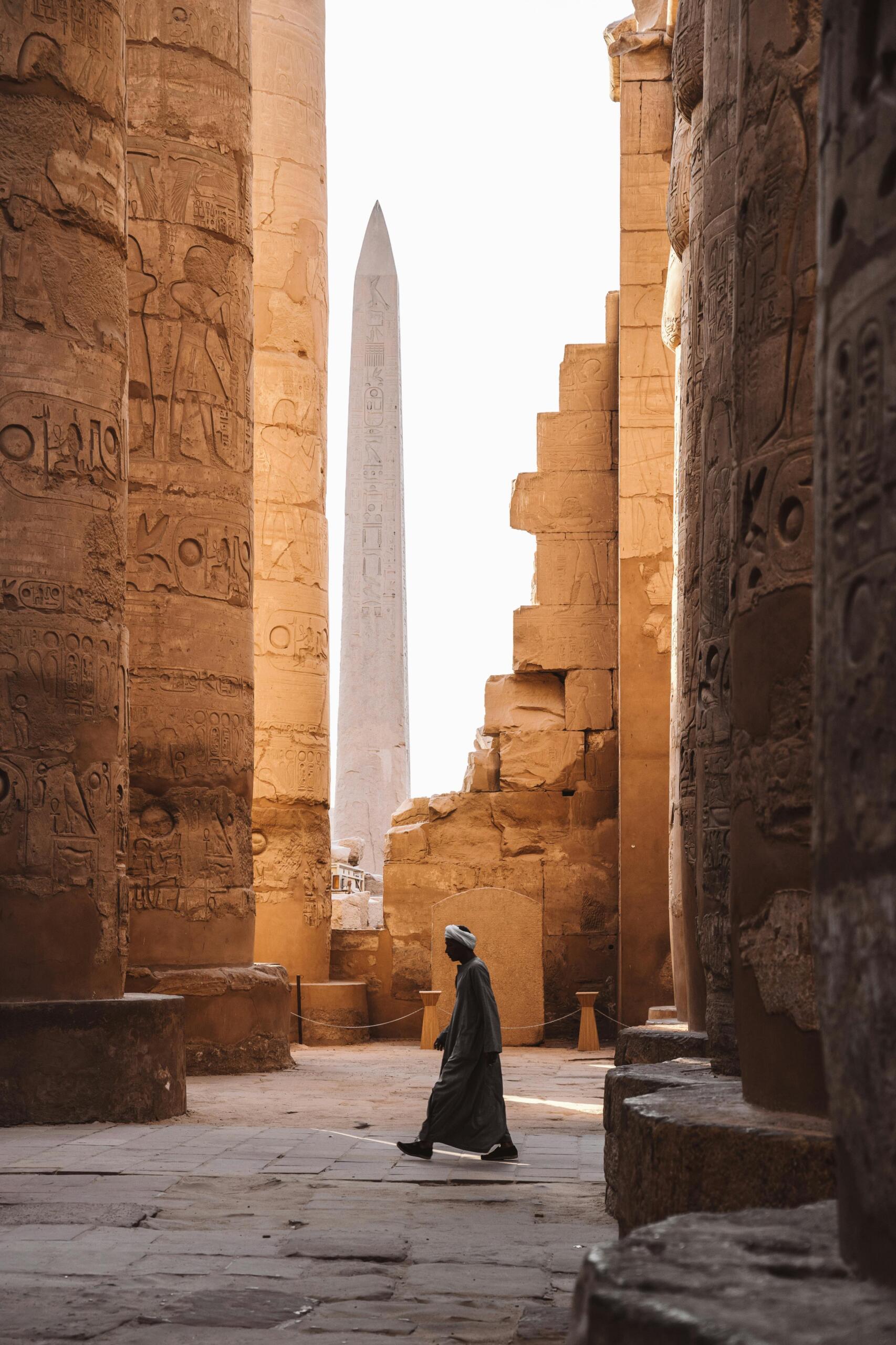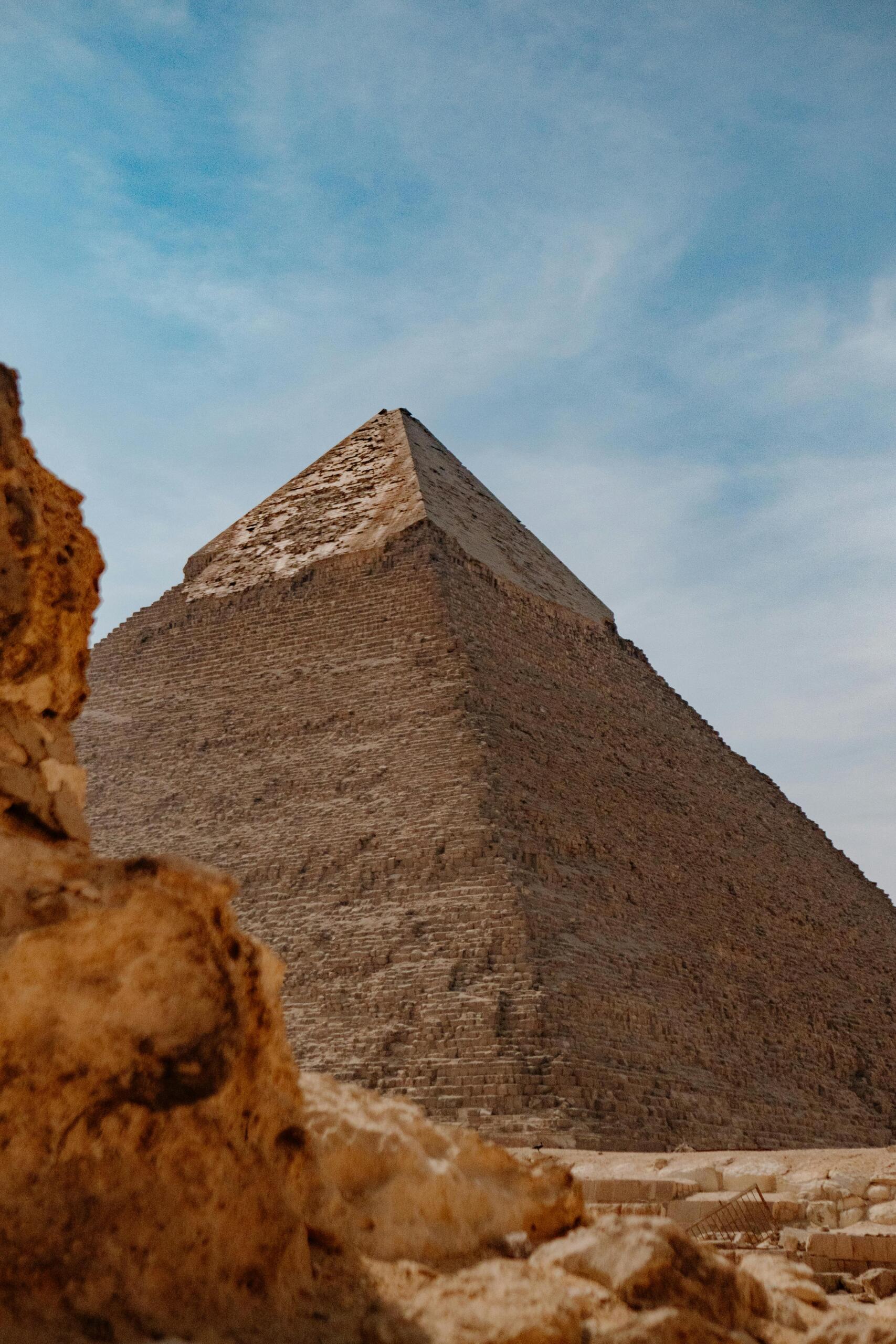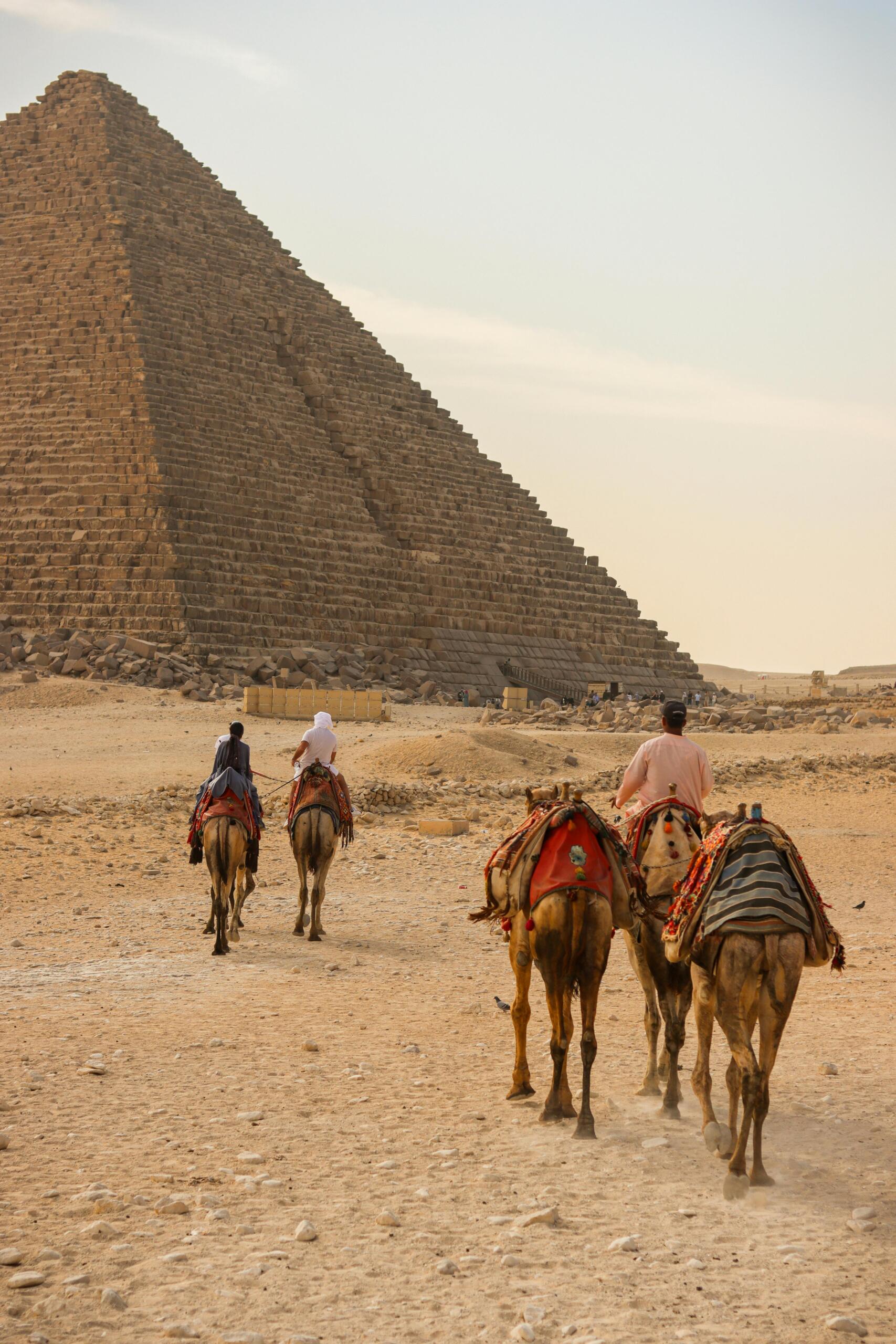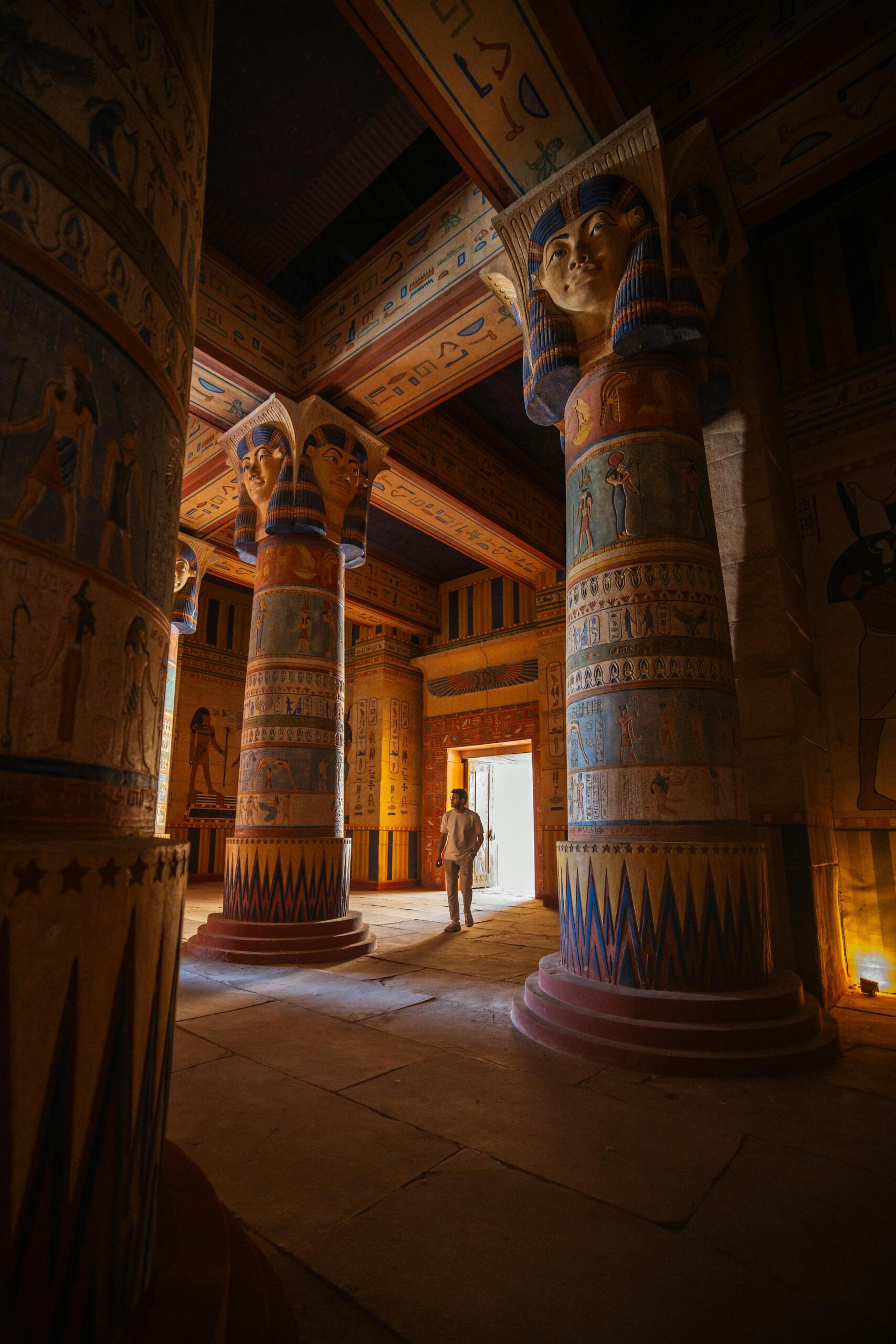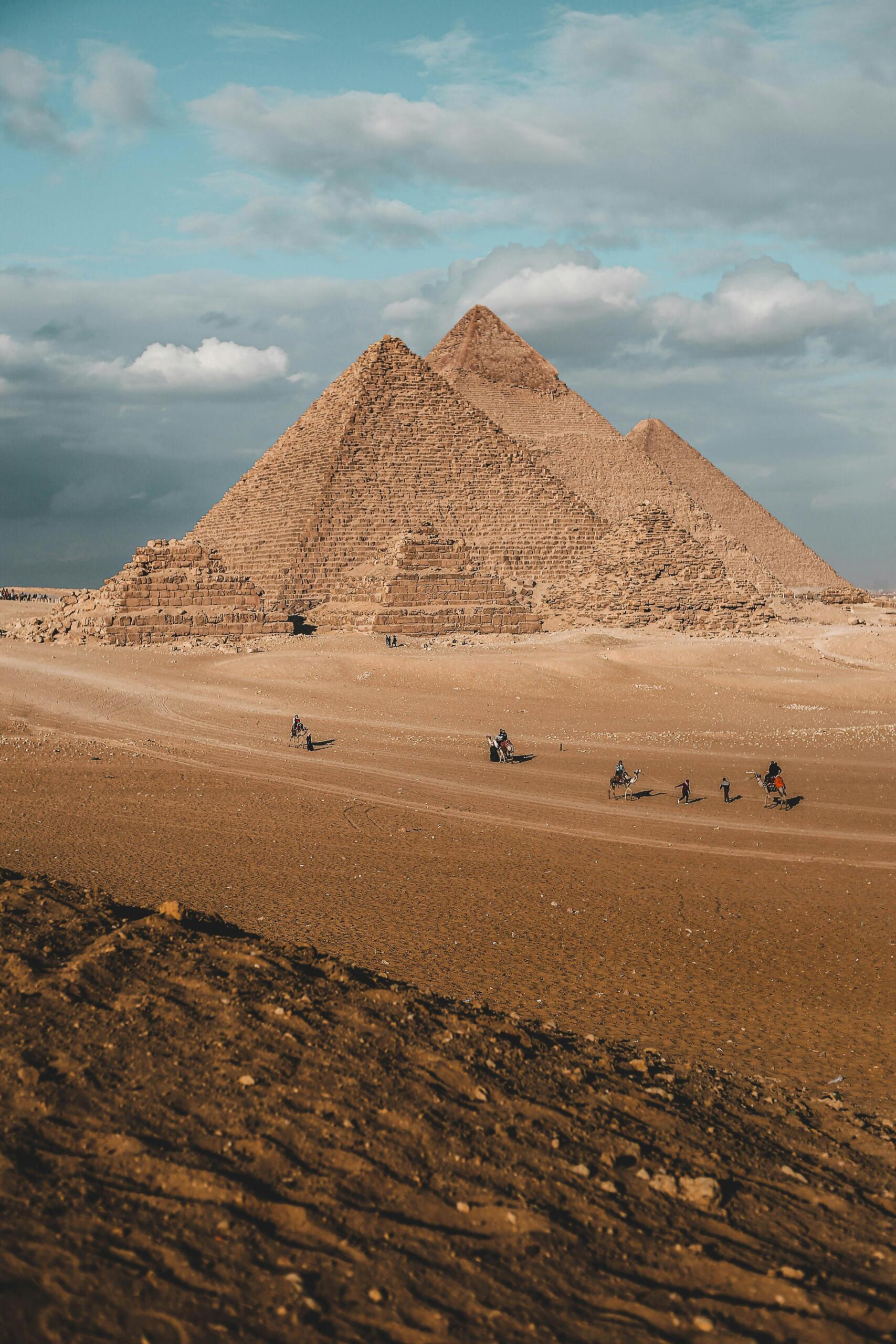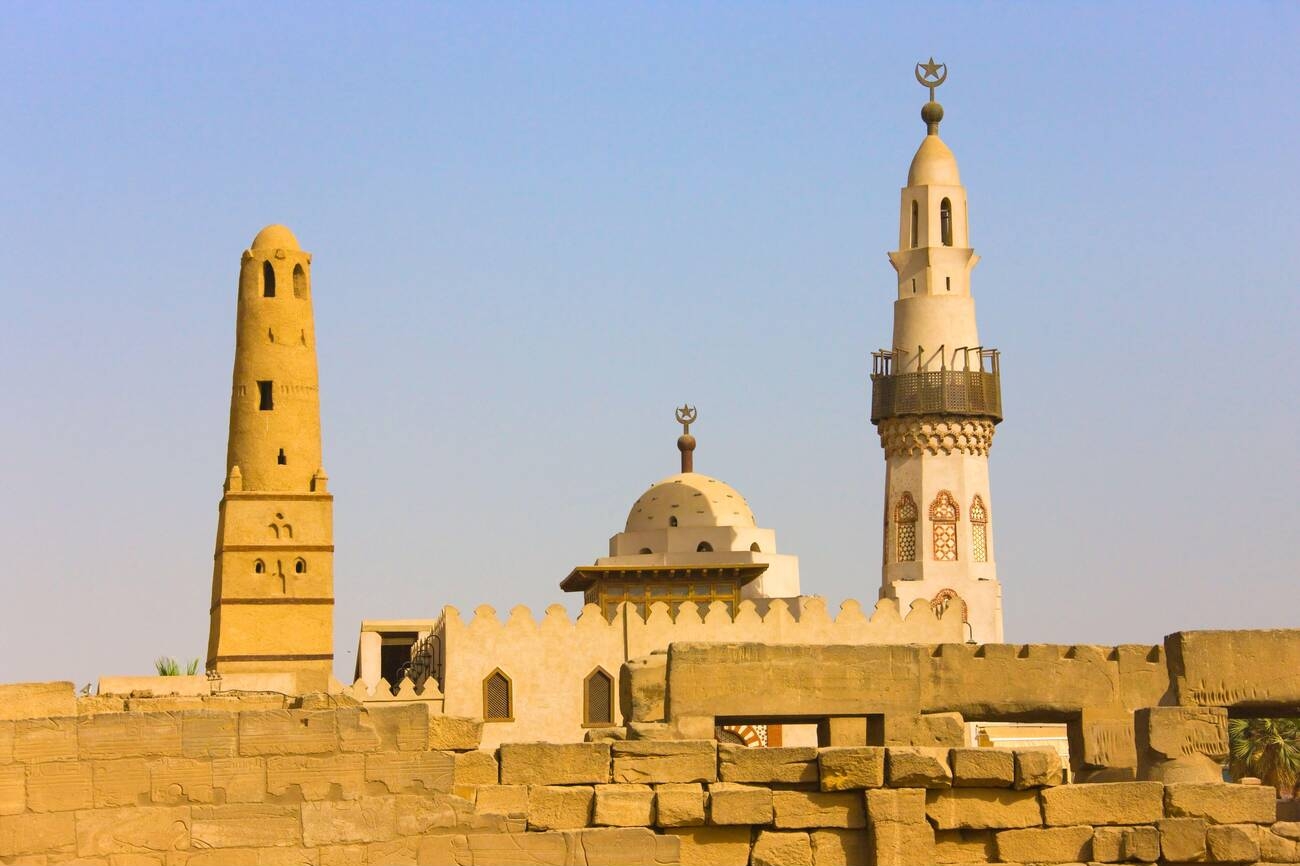
Abu Haggag Mosque, a part of the magnificent Luxor Temple complex, is a striking illustration of Egypt's long religious and cultural heritage especialy in Luxor City. One of the few mosques in the world that skillfully combines Islamic and Pharaonic architecture is situated on the foundations of an old Pharaonic temple. The mosque is a prominent religious and historical site that draws both worshippers and tourists because of its unusual mix.

History of Abu Haggag Mosque

Named for Sheikh Yusuf Abu Haggag, a prominent Sufi saint who lived in Luxor and is thought to have been instrumental in bringing Islam to the area, the Abu Haggag Mosque dates back to the Fatimid period in the 12th century. Originally from Iraq, Sheikh Abu Haggag moved to Luxor where he developed a reputation for piety and wisdom.
The location was already of religious significance before to the mosque's construction since it belonged to the Luxor Temple, among the most famous monuments of ancient Egypt. Built by Pharaoh Amenhotep III during the New Kingdom period (c. 1400 BCE) and enlarged by Ramses II, the temple was devoted to the god Amun-Ra. The mosque was built over the remains of the temple, integrating its features into the Islamic architecture instead of destroying them as Islam expanded throughout Egypt.
The Abu Haggag Mosque is among the most amazing structures in Egypt since it has been used for worship about 900 years, making it among the oldest still in use mosques.
Architecture of Abu Haggag Mosque

The harmonic combination of Islamic and ancient Egyptian architecture distinguishes the Abu Haggag Mosque. Unlike other mosques built on modern foundations, this mosque is especially situated on a raised platform once belonging to the Luxor Temple.
Example of Key Architectural Features:
- The mosque is built directly atop the ruins of Luxor Temple, incorporating ancient columns and walls into its structure.
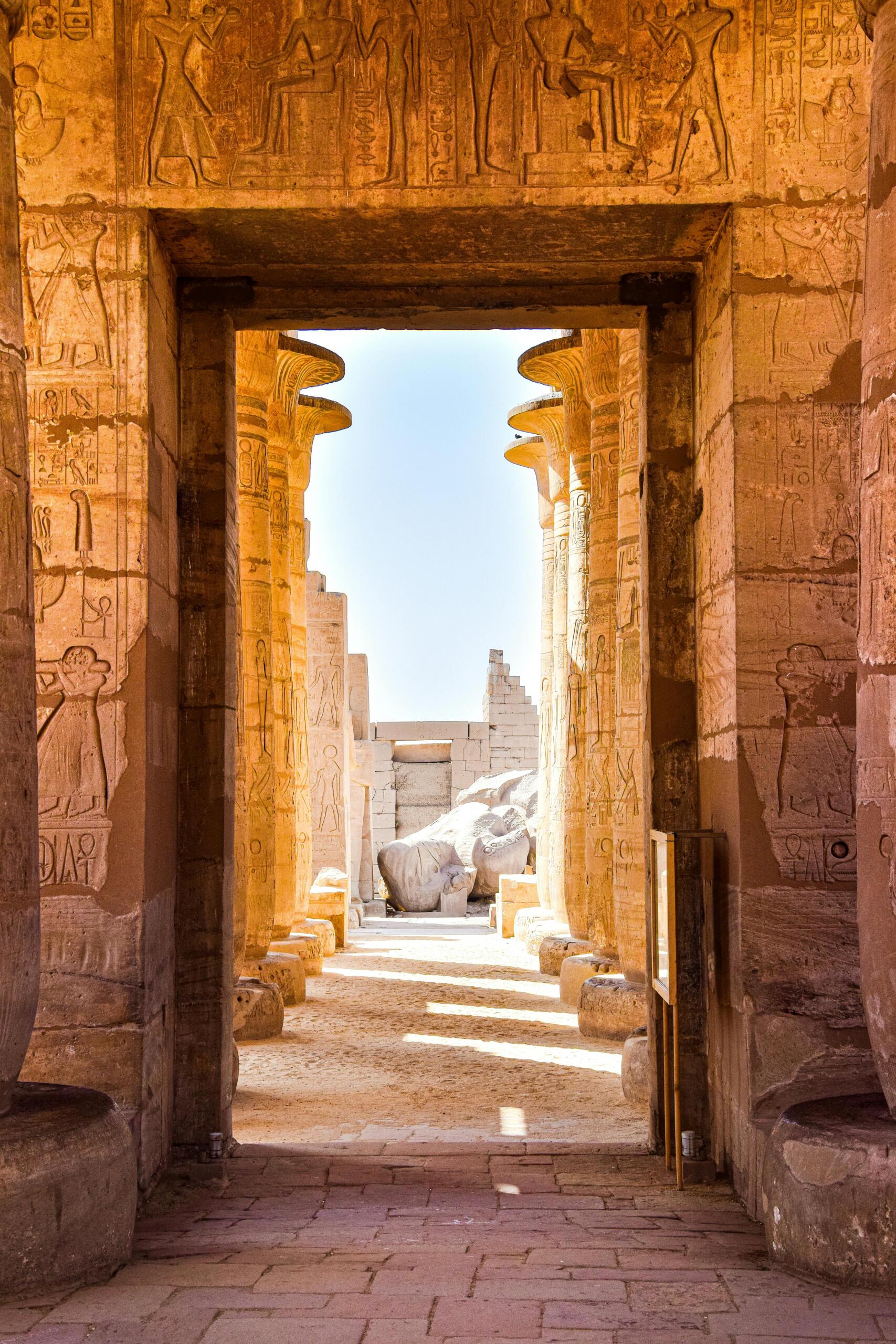
- Several hieroglyphic inscriptions from the temple remain visible within the mosque, offering an intriguing contrast of cultures and religions.The mosque showcases a Fatimid-style minaret, distinguished by its understated yet sophisticated cylindrical form.
- The minaret presents a notable contrast to the substantial stonework of the temple beneath it.The prayer hall features a modest design in comparison to other mosques in Egypt, characterized by whitewashed walls and traditional Islamic arches.
- Certain sections of the mosque continue to showcase original Pharaonic reliefs, which have been meticulously preserved.The mosque's entrance is reached through a sequence of stone steps that were originally part of the Luxor Temple.
- The courtyard provides expansive views of the temple ruins, highlighting the historical significance of the site.
Who is Abu Haggag and His Moulid

Sheikh Yusuf Abu Haggag was a defined Sufi figure recognized for his dedication and teachings in Islamic spirituality. He journeyed from Iraq to Egypt, ultimately establishing himself in Luxor, where he gained significant respect from the local community. His teachings highlighted the importance of humility, faith, and community service. Over time, his followers commemorated him by constructing a mosque at the location of his residence, which subsequently evolved into one of Luxor’s most important religious landmarks. The annual Moulid of Abu Haggag serves as a celebration of his enduring legacy, honoring his contributions and impact.
Prior to the construction of the mosque, the location held significant religious value, being part of the Luxor Temple, one of the most remarkable monuments of ancient Egypt. The temple, built in the New Kingdom period (circa 1400 BCE) under Pharaoh Amenhotep III and later expanded by Ramses II, was dedicated to the deity Amun-Ra. As Islam expanded throughout Egypt, a mosque was built atop the remnants of the temple, integrating its architectural elements into the Islamic design instead of dismantling them.
The Abu Haggag Mosque stands out due to its remarkable history of nearly 900 years of continuous use as a place of worship, establishing it as one of the oldest functioning mosques in Egypt.
There is a Moulid of Abu Haggag that held annualy in Luxor. The Moulid stands as one of the most important religious celebrations in the area, commemorating Sheikh Yusuf Abu Haggag. The event showcases vibrant processions, traditional music, Sufi rituals, and boat-shaped floats, reflecting the ancient Egyptian Opet Festival. This Moulid draws both locals and visitors, creating a distinctive cultural and spiritual experience.
Visiting Abu Haggag Mosque

Visiting Luxor Temple and Abu Hagag Mosque is a great chance to discover Islamic Cairo and at the same time explore Ancient Egyptian attractions.
In our Egypt Tours, we tailor our packages to satisfy every visitor's interests. We include the top attractions and landmarks in Coptic Cairo, Islamic Cairo, and Old Cairo as well. You will also get the chance to discover every aspect of Egypt historically, culturally, and spiritually and wander around the authentic streets of Cairo.
Request a Call

Discover Egypt in Style: Tailor-Made Holidays for Unforgettable Adventures
Explore Egypt like never before with our tailor-made holidays, designed to cater to your unique preferences and create unforgettable memories.
Got Questions?
Frequently Asked Questions
Everything you need to know about traveling to Egypt
How can I book an Egypt day tour?
Booking through reputable tour operators or agencies is advisable. You can also book tours through the website www.topclassegypttravel.com or WhatsApp us at +201221029071.
Are guided tours necessary?
While you can explore some sites independently, guided tours often provide valuable historical and cultural insights. It's recommended to hire a guide for complex historical sites like the Pyramids.
What's the best time to visit Egypt?
Egypt's peak tourist season is from October to April when the weather is cooler. However, if you prefer fewer crowds and lower prices, consider visiting during the shoulder seasons.
What should I wear during the tours?
When visiting religious sites and conservative areas, it's respectful to dress modestly. Light, breathable clothing and comfortable shoes are recommended.
Is it safe to travel to Egypt?
Egypt has made substantial efforts to enhance the safety and security of tourists. While it's always important to stay informed and exercise caution, many travelers visit Egypt without any issues.
What draws travelers to Egypt?
Egypt's appeal lies in its rich history, featuring ancient sites dating back over 4,000 years, alongside captivating city resorts and pristine beaches. Your Egyptian journey promises the vacation of your dreams.
What are the transportation options?
When it comes to getting around Egypt, a taxi is often the fastest choice, particularly in Cairo. Alternatively, you can opt for the efficient metro system when roads are congested.
What languages are spoken in Egypt?
Arabic is the official language of Egypt, but most Egyptians in urban areas understand and speak some English. Professional tour guides offer guidance in English and other languages.
What are the best activities to enjoy?
Egypt offers diverse activities: Nile Cruises, hot air balloon rides, Egyptian cuisine, shopping in Old Cairo, diving and snorkeling in the Red Sea, and Western Desert safaris.
Why choose Top Class Egypt Travel?
With over 20 years of experience, we create remarkable vacations across Egypt. We tailor all tours to your specific needs. Your safety and comfort are our top priorities.