
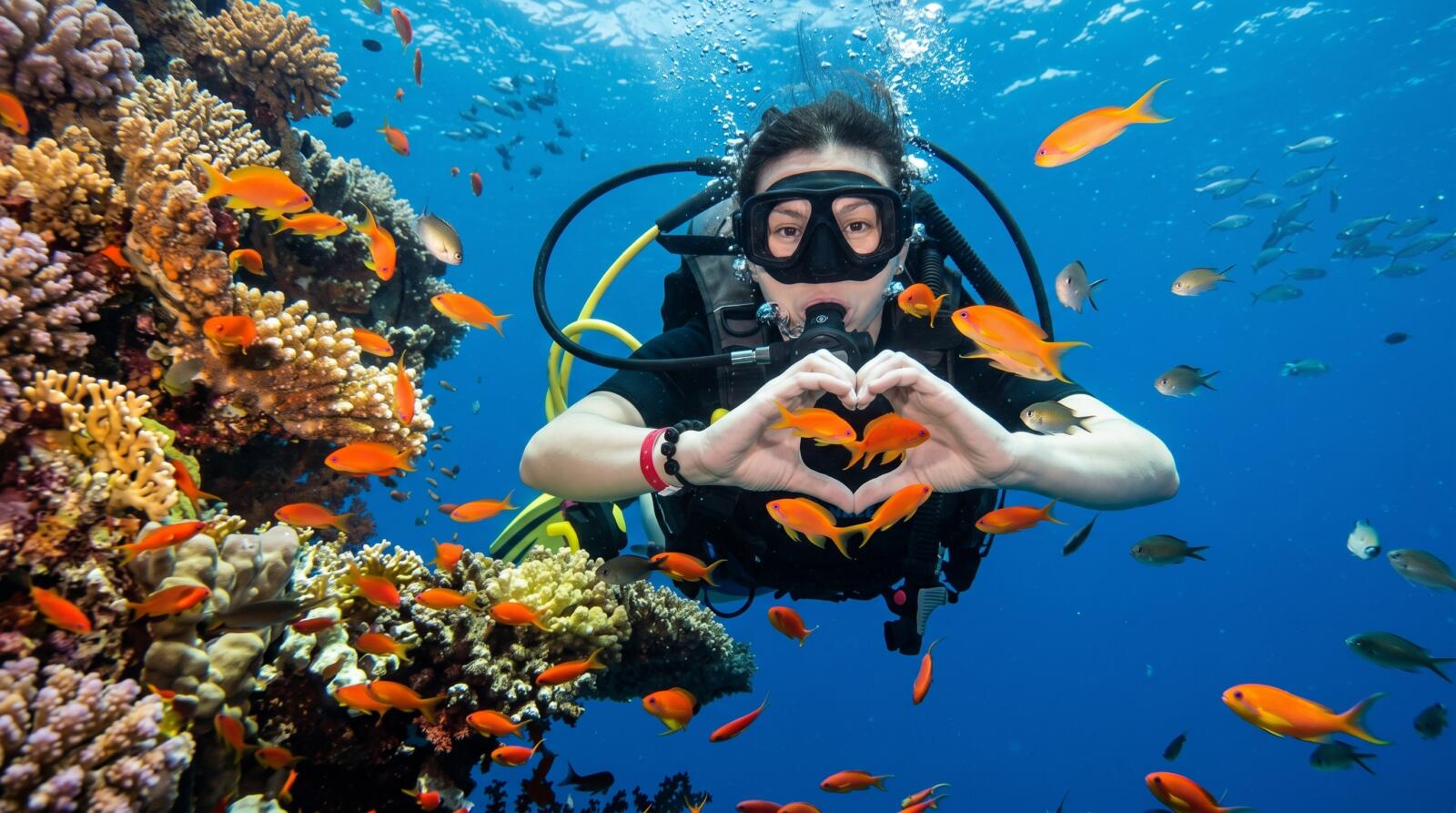
Discover the underwater wonders of Egypt with our premier scuba diving tours in the Red Sea. Renowned worldwide for its crystal-clear visibility, vibrant coral reefs, and exceptional marine biodiversity, the Red Sea is a must-visit destination for every diver. Whether you’re a beginner embarking on your first discovery dive or an experienced professional seeking world-class challenges, Egypt’s coastline offers an array of legendary spots. From the historic shipwrecks of the north to the pristine, colorful reef systems of the south, our guided diving expeditions ensure an unforgettable adventure beneathen Join us to explore the best diving in Egypt and witness the breathtaking beauty of one of the world’s most iconic marine environments.
Tours You Might Like
Hand-crafted itineraries from the team that wrote this guide.



Day Tours & Excursions
Single days out, if a whole itinerary is more than you need.


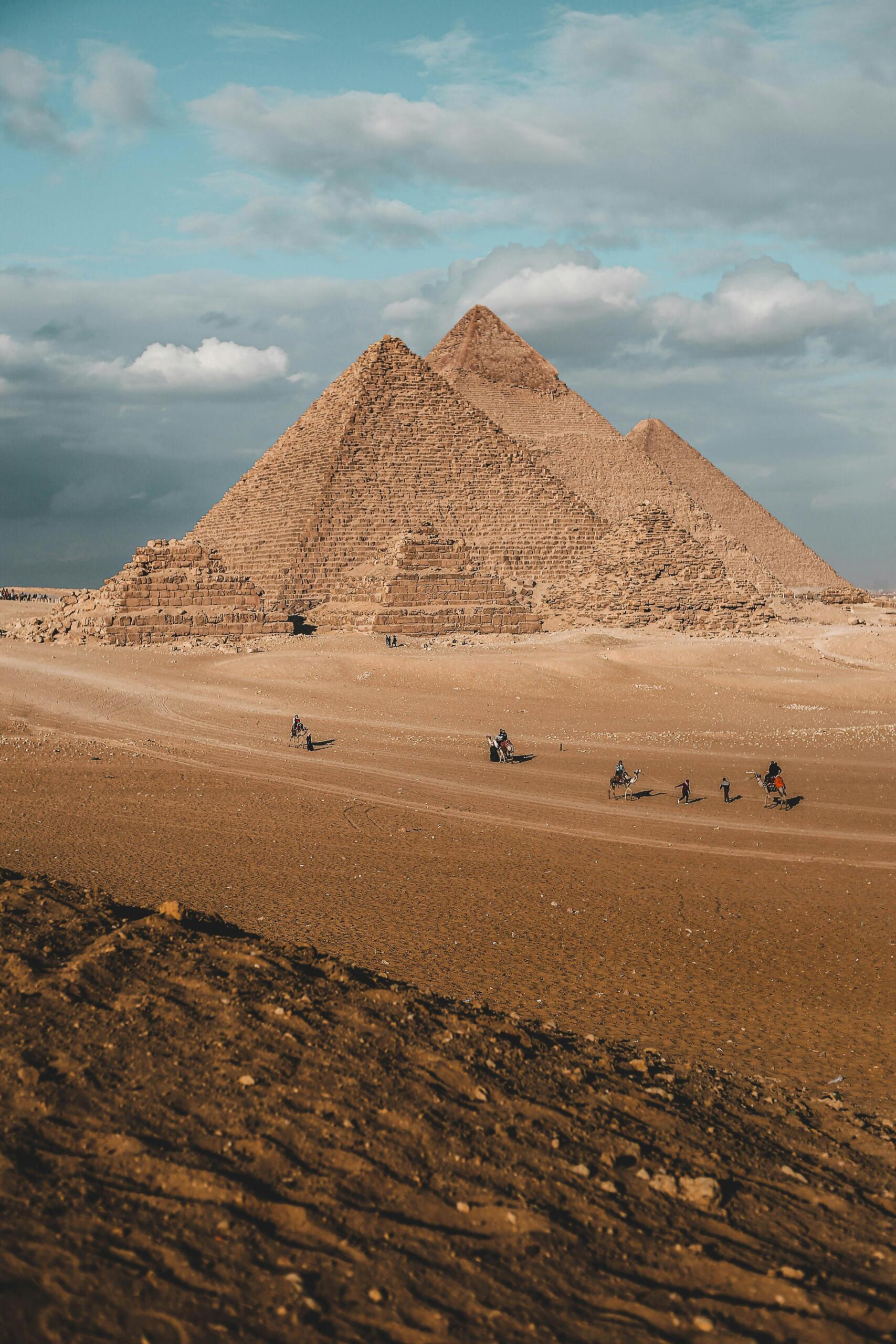
Hurghada to Cairo, Abu Simbel & Luxor Tour
Swap the beach for an epic three-day adventure from Hurghada, taking you to the ancient wonders of Cairo and Luxor...
Start From
$625 per person
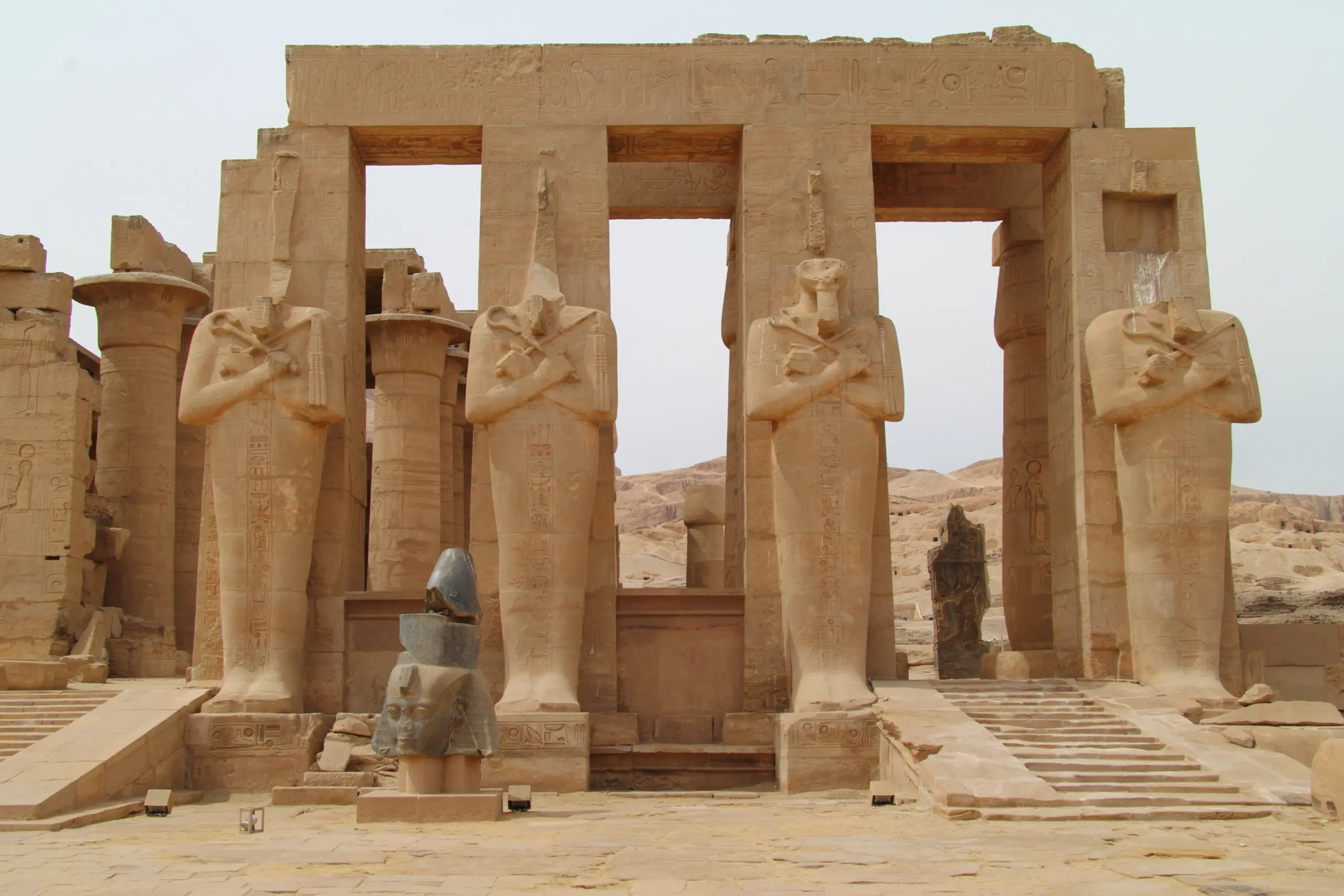
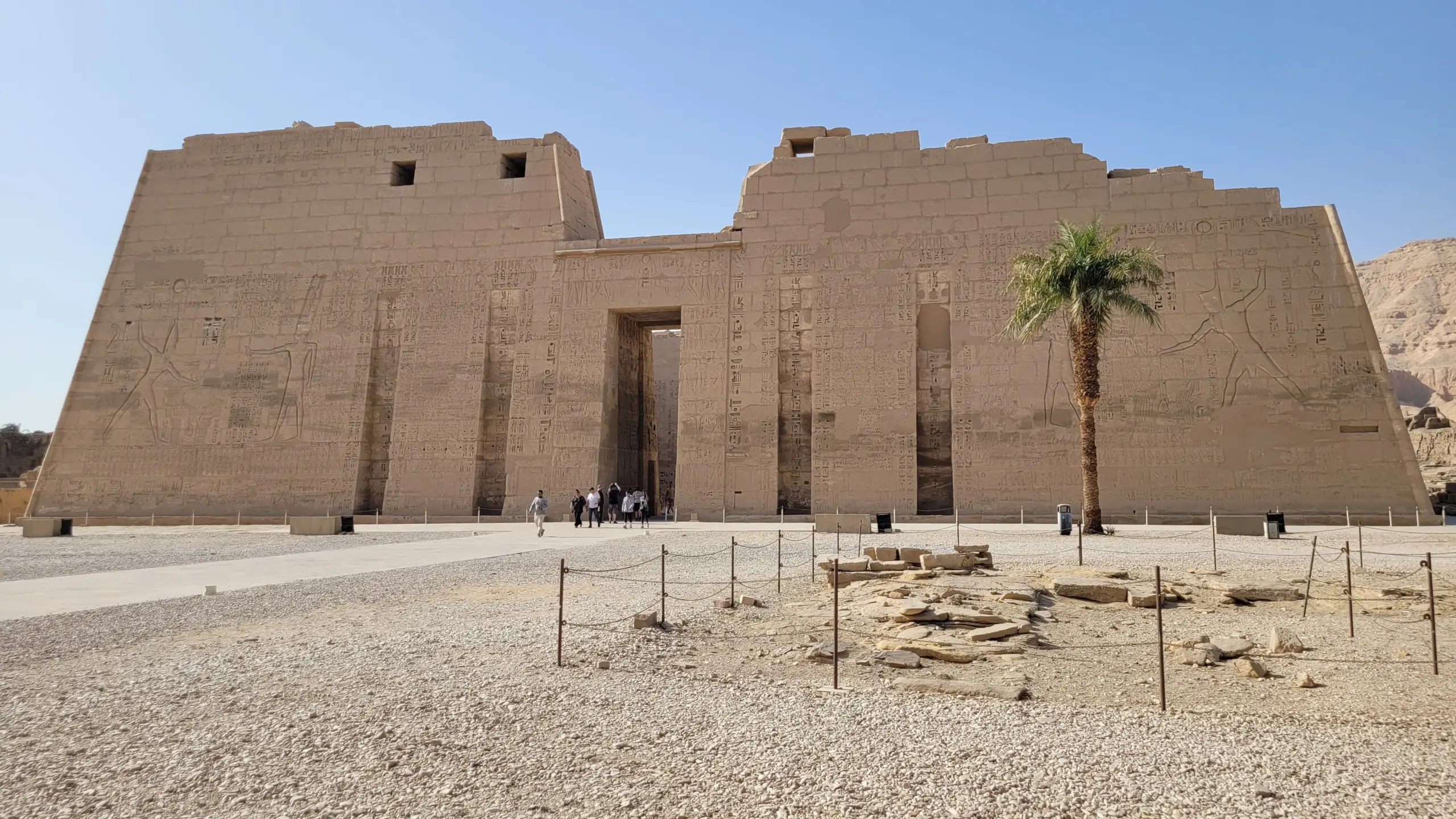
Valley of the Queens, Medinet Habu & Ramesseum Tour
A Day tour to Valley of the Queens, Habu & Ramesseum offers an exotic journey across the rarest archaeological monuments...
Start From
$40 per person

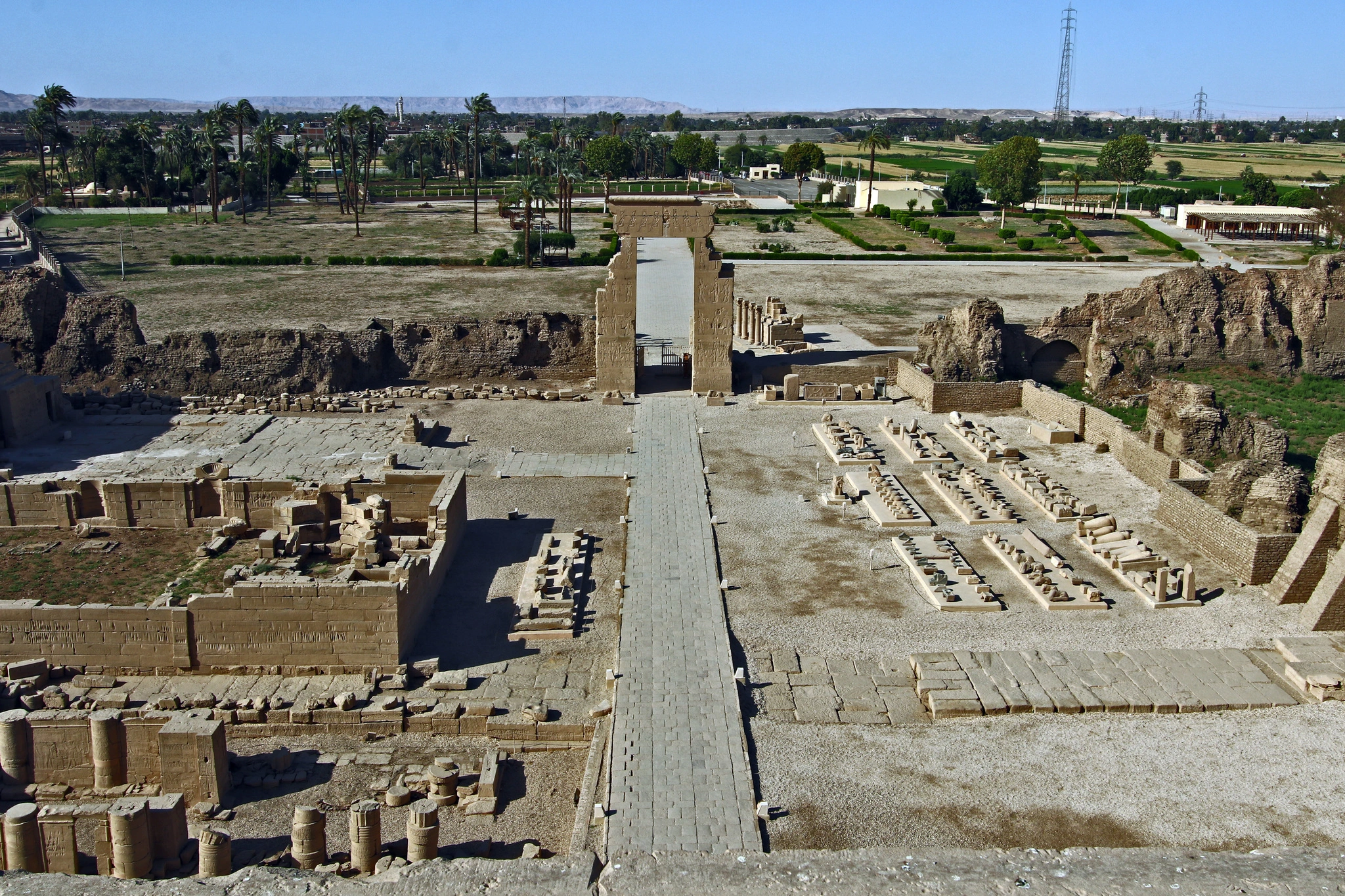
Dendera & Abydos Temples Day Tour from Luxor
Discover the untold stories of the Pharaohs at the most significant historical landmarks in Upper Egypt. As a leader in...
Start From
$45 per person
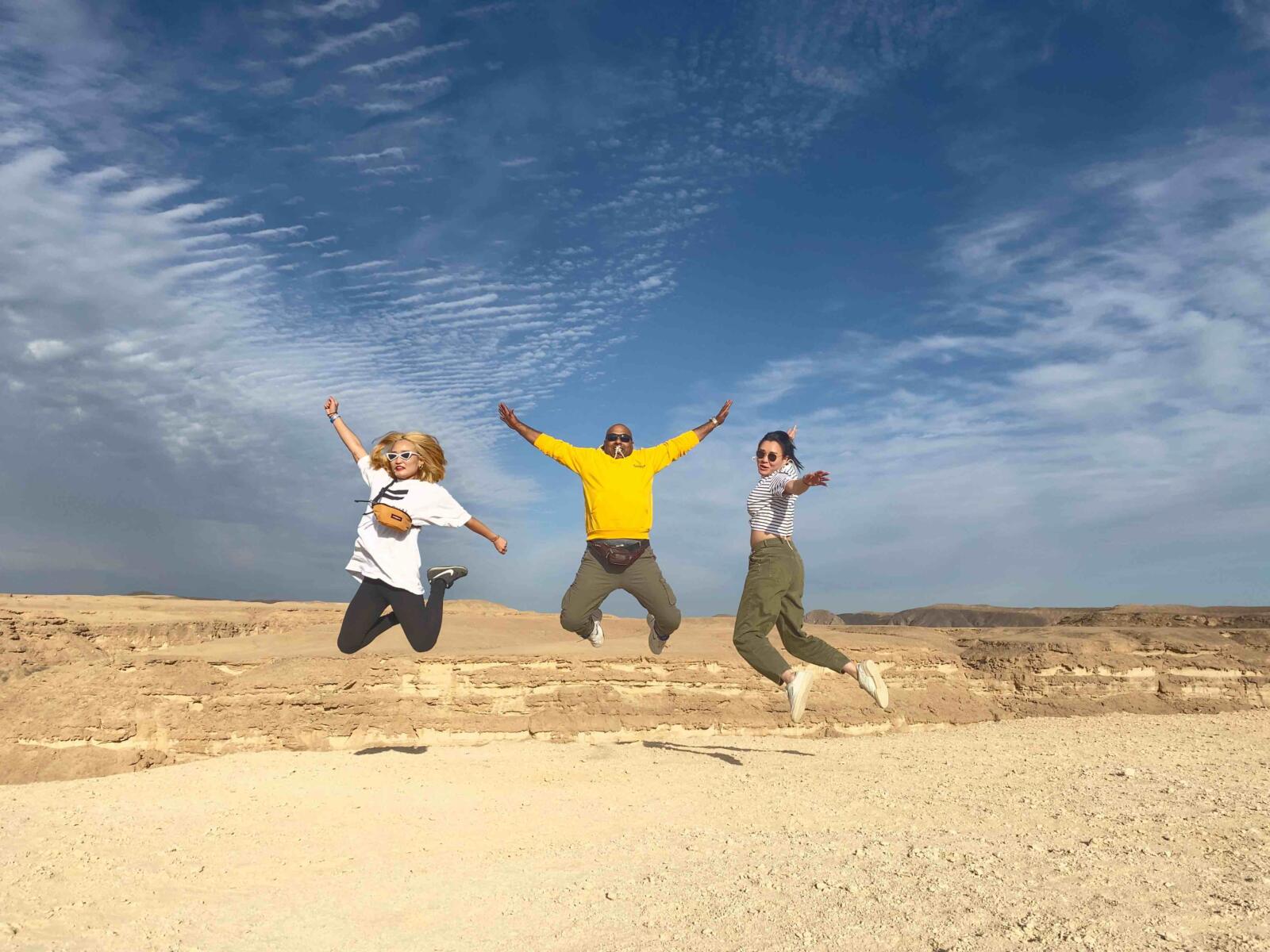
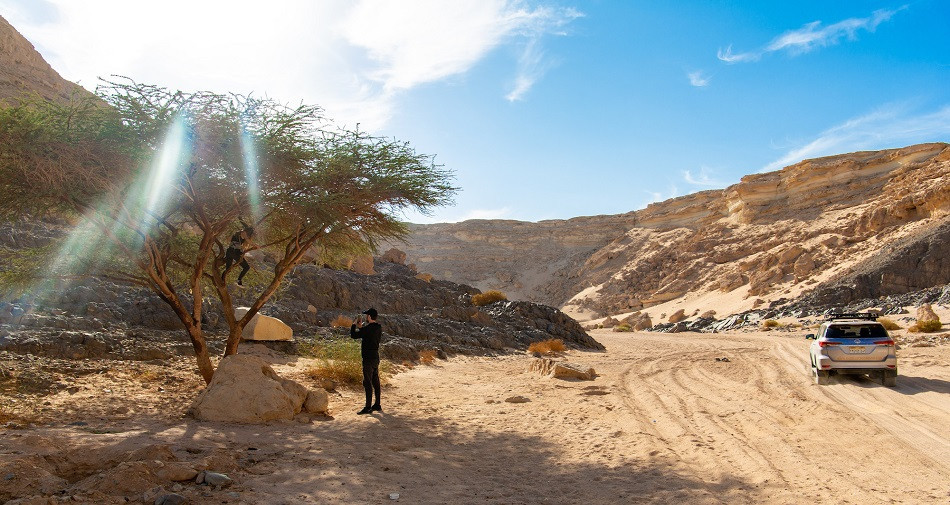
Wadi Belli Sunset Safari & Dinner from El Gouna & Hurghada
Experience the magic of the Sahara with Top Class Egypt Travel on our premier Sunset Desert Safari. Traverse the golden...
Start From
On Request per person
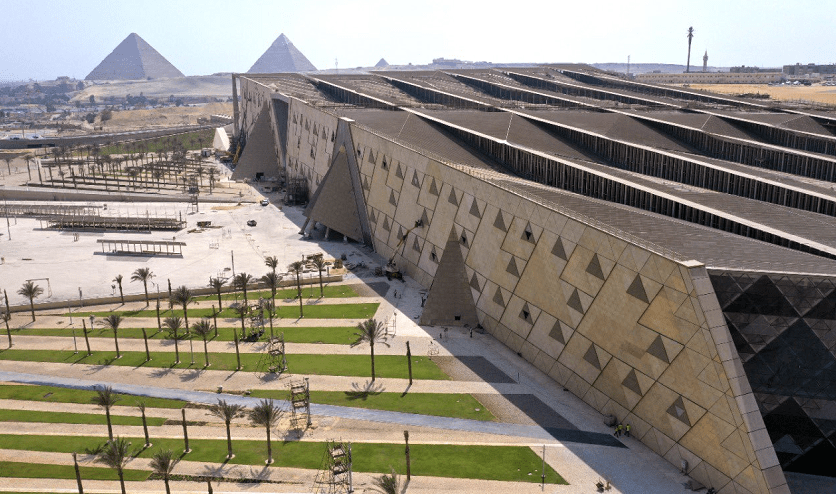

Cairo Day Trip from Hurghada by Road
A Private Day Trip to Cairo from Hurghada by Car is a trip from the serene beauty of Hurghada to...
Start From
$150 per person


Luxor Day Trip from Hurghada by Air
Join Luxor Day Trip from Hurghada a captivating adventure from Hurghada to Luxor, where the enchanting tales of ancient Egypt...
Start From
$105 per person

Pyramids Day Trip from Hurghada by Air
Day Trip from Hurghada to the Pyramids by Plane, This Hurghada day tour is your best choice to unveils Egypt’s...
Start From
$110 per person


Hurghada Desert Safari & Bedouin Experience
Embark on an exhilarating journey into the heart of the Egyptian wilderness with this comprehensive Desert Safari Adventure, designed to...
Start From
On Request per person

Testimonials
Our Clients Reviews
See what our happy travelers say about us



