
Testimonials
Our Clients Reviews
See what our happy travelers say about us
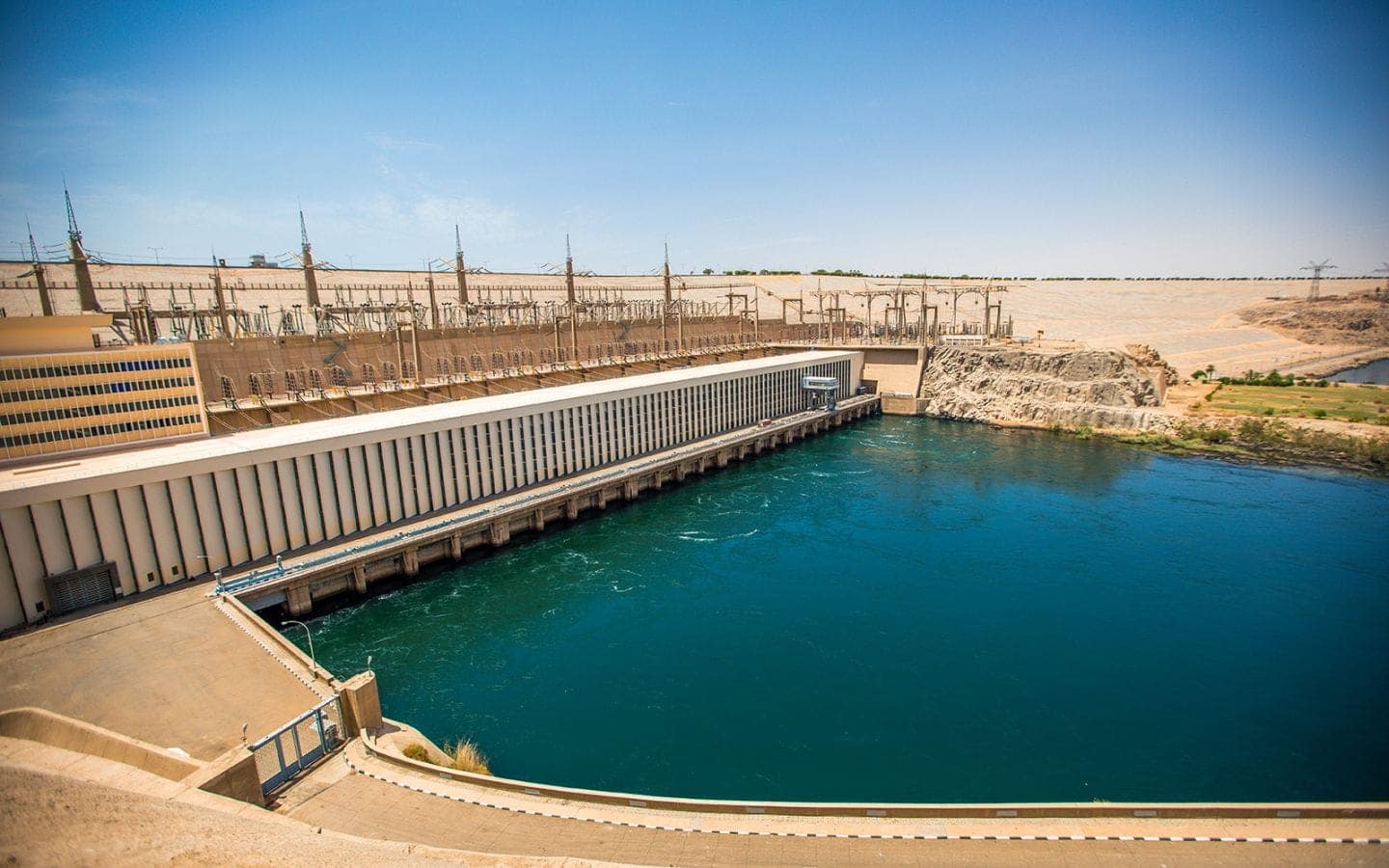
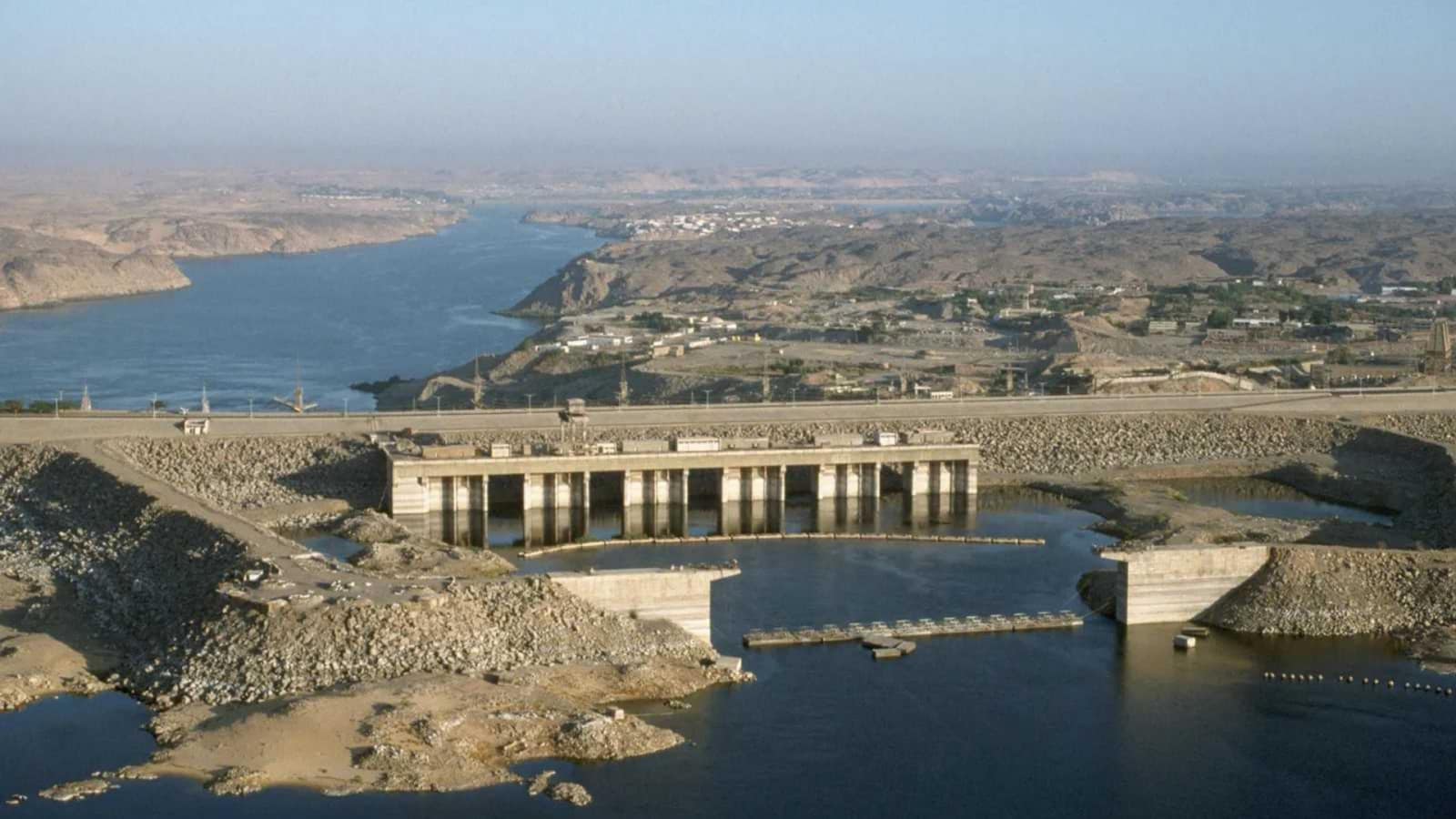
It is one of the most consequential engineering projects of the 20th century — a 3,830-meter-long, 111-meter-high rock-fill dam constructed across the Nile between 1960 and 1971 with Soviet technical and financial assistance, creating Lake Nasser and permanently transforming Egypt’s relationship with the Nile’s annual flood. The dam provides year-round water control for Egypt’s agriculture, prevents the devastating floods that periodically destroyed crops and villages, and generates approximately 10–15% of Egypt’s electricity through its 12 hydroelectric turbines.
The dam is a significant engineering monument as well as a political symbol — its construction was the central act of Nasser’s modernizing nationalist project, funded by the Soviet Union after the United States and World Bank withdrew support in 1956 in response to Egypt’s arms purchase from Czechoslovakia. The dam’s construction directly triggered the Suez Crisis when Nasser nationalized the canal to pay for it, and its completion in 1971 was marked by ceremonies attended by Soviet President Podgorny.
Visitors can walk or drive across the top of the dam, with Lake Nasser’s vast blue expanse visible on the southern side and the controlled Nile downstream on the northern face. A monument on the dam’s western end — a Soviet-Egyptian friendship monument in the form of a stylized lotus flower — marks the joint construction effort. The visitor experience is primarily about understanding scale and significance rather than architectural spectacle, as the dam itself is a utilitarian earthen structure rather than a visually dramatic monument.
The idea of a high dam at Aswan was proposed by Egyptian engineers in the early 20th century and formally studied from the 1940s onward. President Nasser’s announcement of the dam project in 1952 and the American and World Bank withdrawal of funding in 1956 directly preceded the canal nationalization and the Suez Crisis — making the dam’s financial history inseparable from the Cold War geopolitics of the period.
The Soviet Union provided $1.12 billion in loans and approximately 1,000 technical advisors for the construction. The project required the relocation of approximately 100,000 Nubian Egyptians and Sudanese from their ancestral villages in the valley that would become Lake Nasser — a displacement whose human cost and cultural loss is documented in the Nubian Museum in Aswan. The UNESCO Nubian Monuments Salvage Campaign, which relocated 24 ancient temples before inundation, was the international community’s response to the cultural dimension of the project.
Walking or driving across the 3,830-meter dam crest with Lake Nasser's vast blue expanse on the southern side and the controlled Nile on the northern face — the most immediate way to grasp the dam's scale.
The lotus-flower shaped friendship monument on the western end of the dam commemorating Soviet-Egyptian cooperation in the dam's construction — an artifact of Cold War-era geopolitics.
The first view of Lake Nasser from the dam crest — the vast blue inland sea extending to the southern horizon, with no visible end, is one of the most immediately impressive man-made landscape transformations in Africa.

See what our happy travelers say about us
