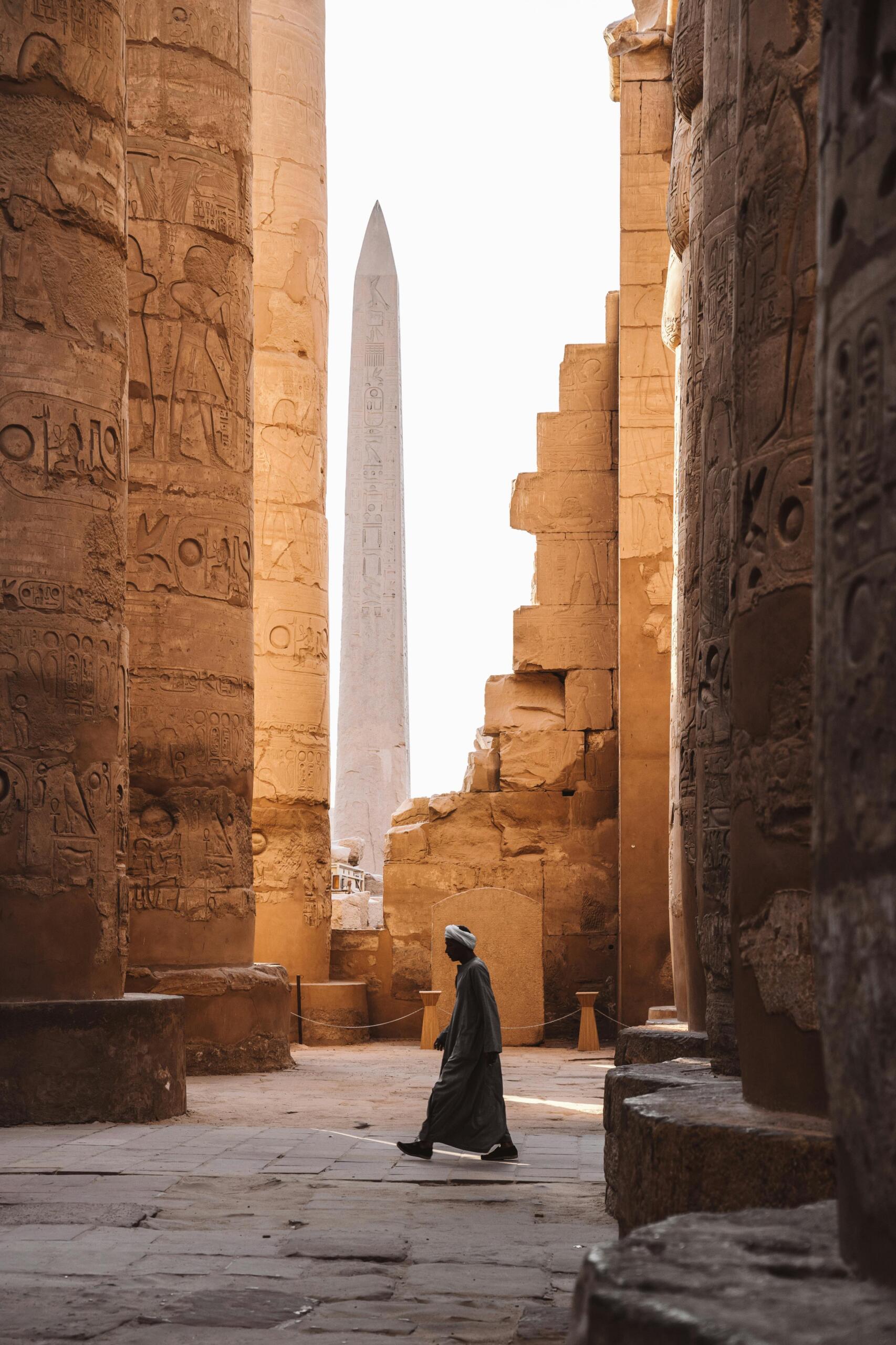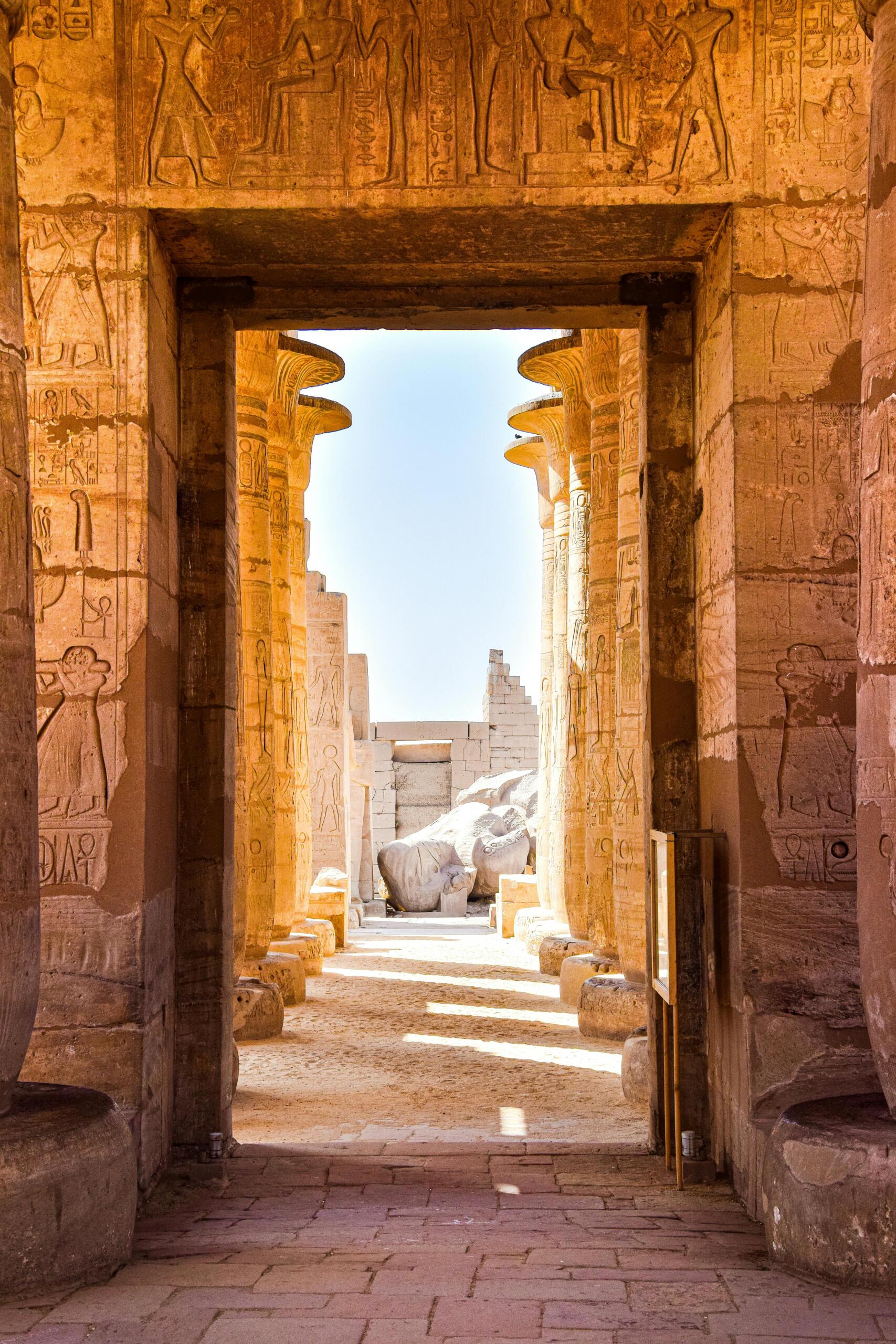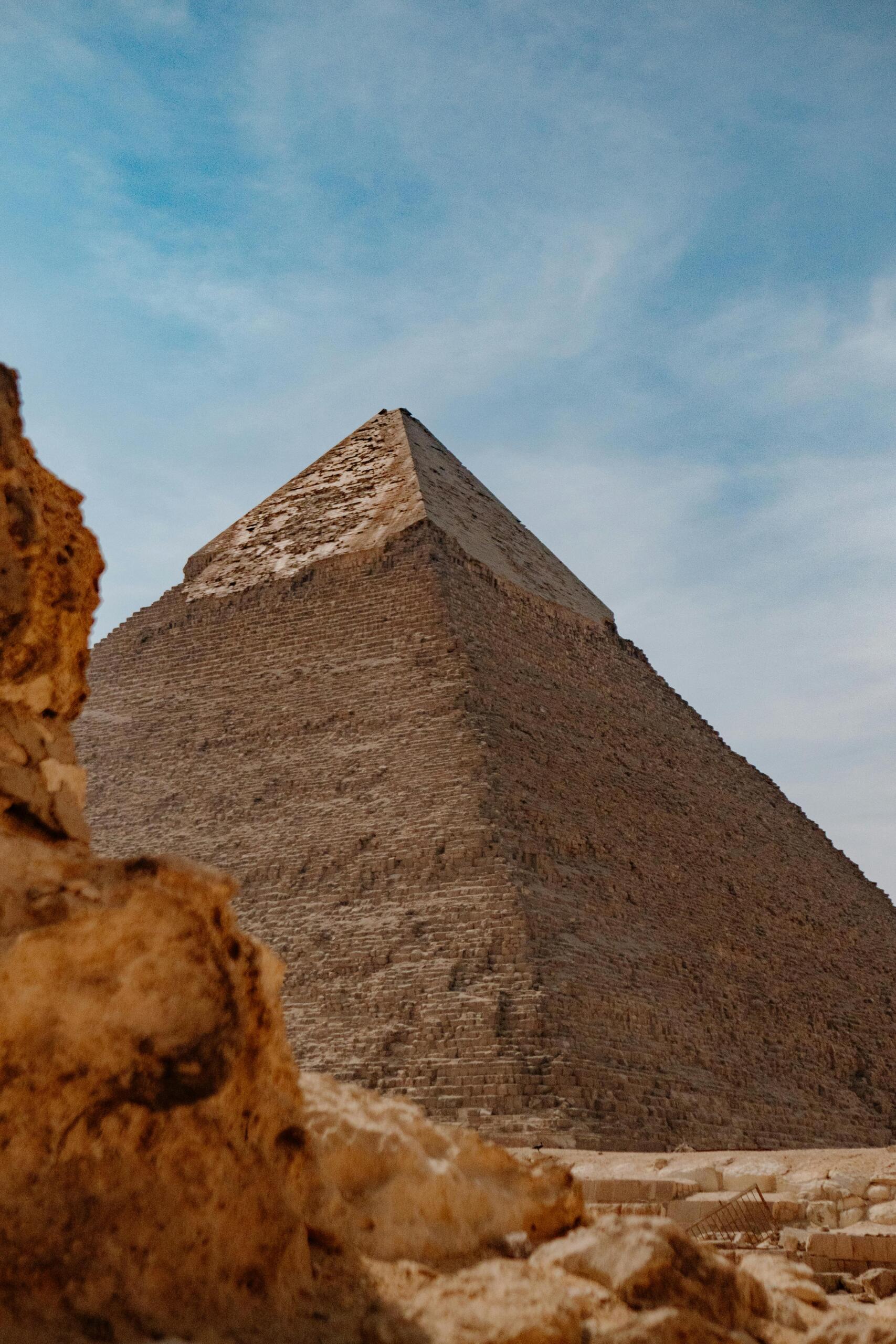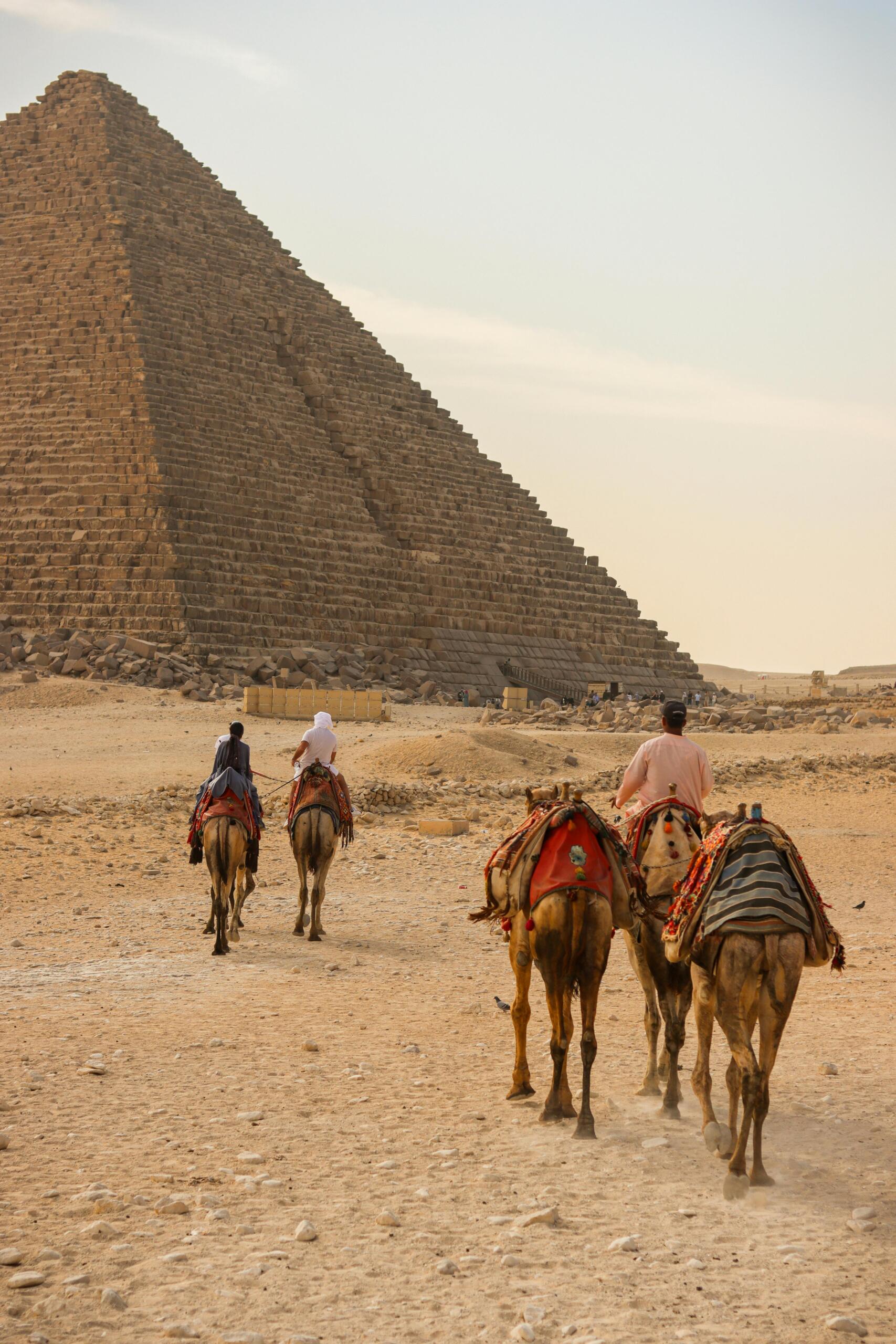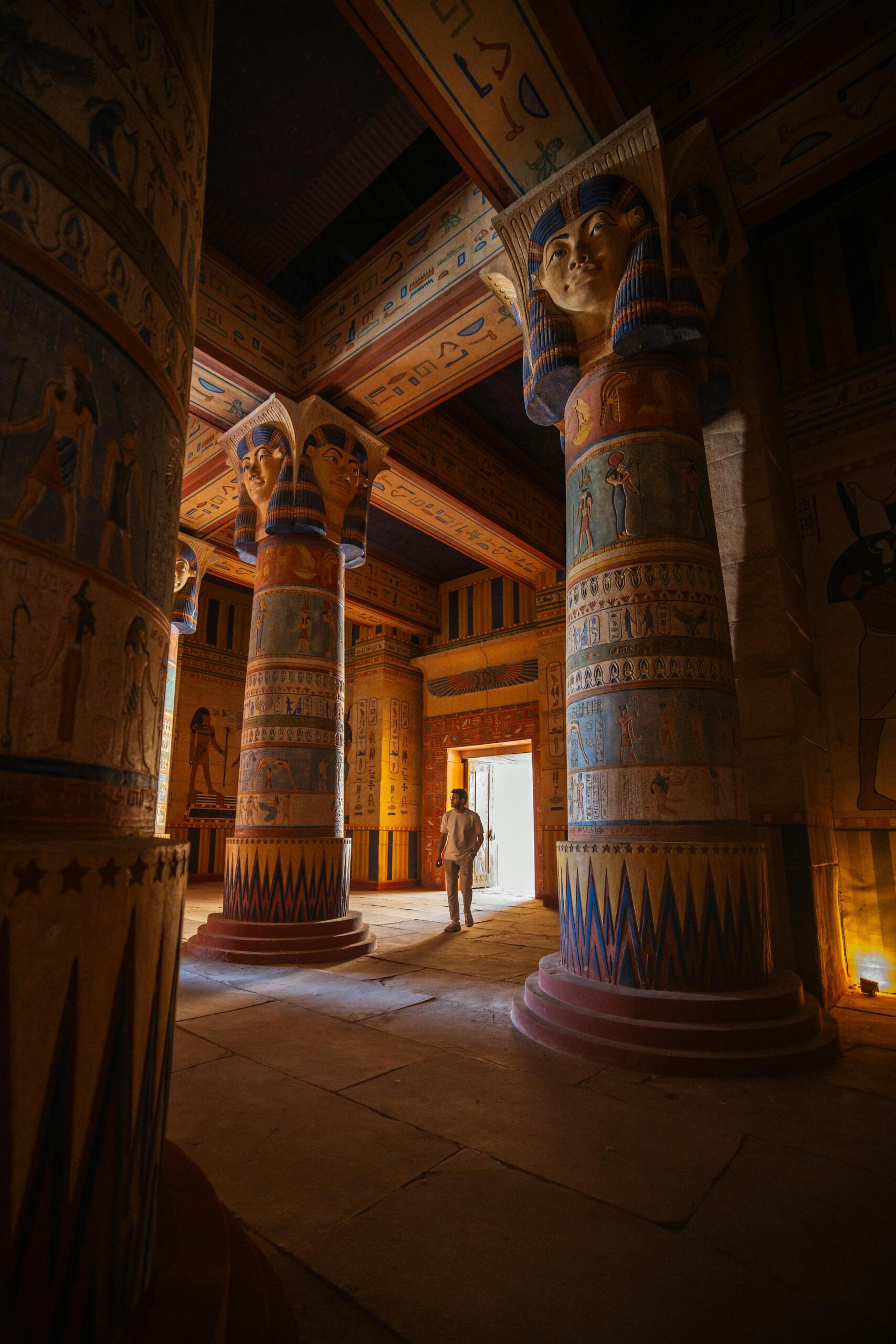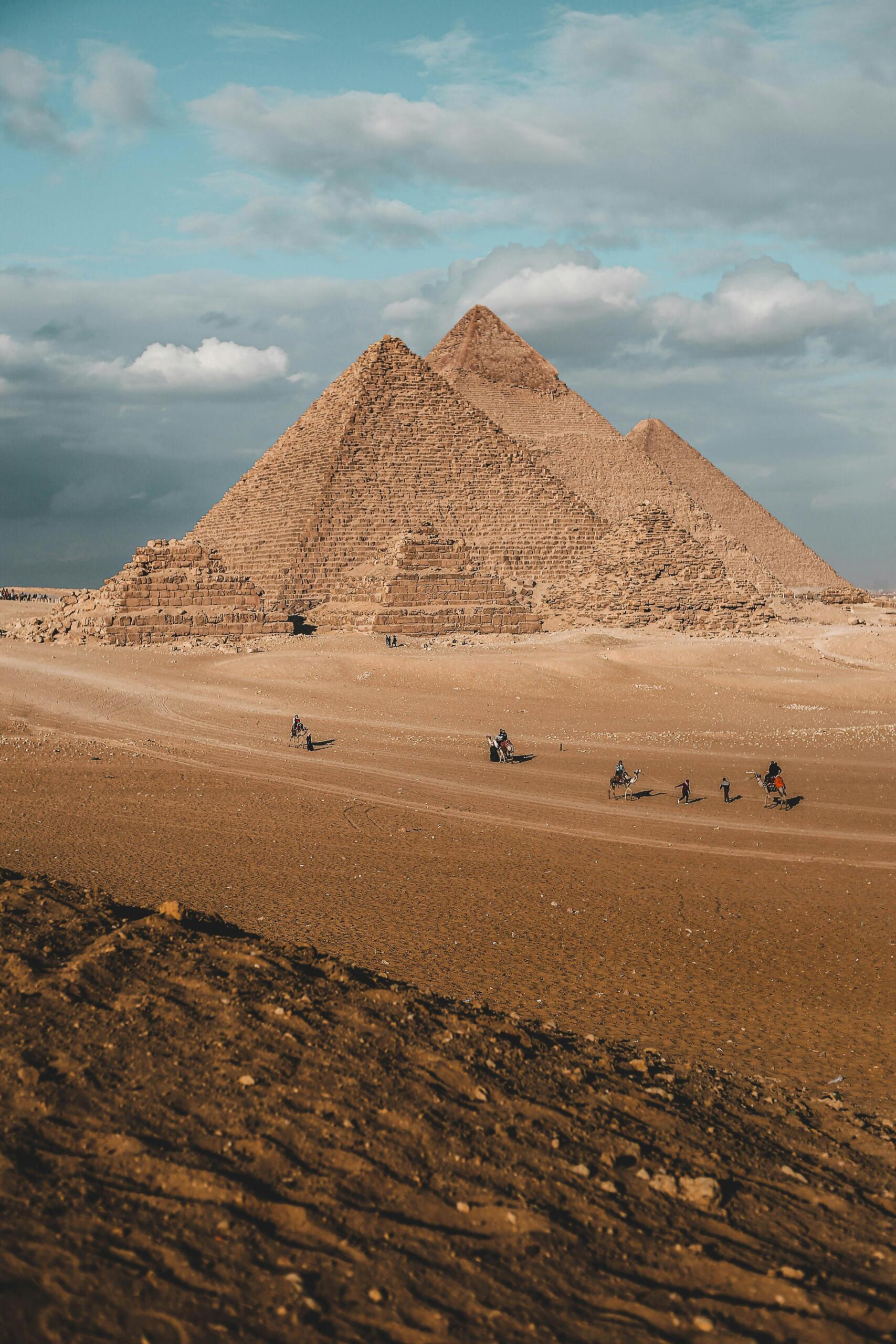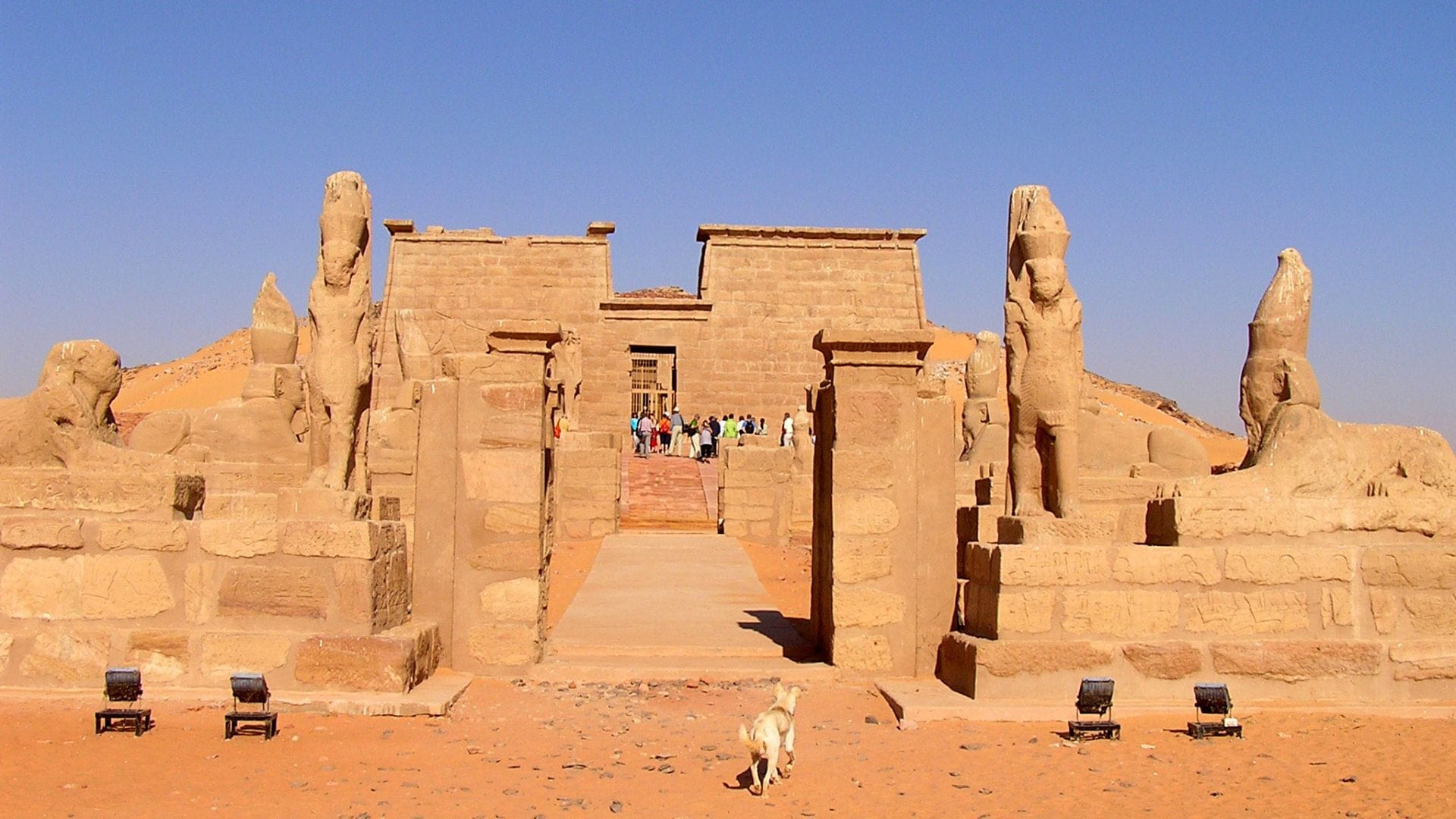
The Wadi Es Sebua Temple is one of the lesser-known yet fascinating temples of ancient Egypt. Located in Nubia, this temple is a testament to Egypt’s religious and political influence in the region. Built during the reign of Pharaoh Ramesses II, it was originally dedicated to Amun and Ra-Horakhty. Today, it stands as a remarkable example of ancient Egyptian architecture and artistry, offering visitors a unique glimpse into the past.
The original temple was built by Pharaoh Amenhotep III during the 18th Dynasty, but it was later reconstructed and expanded by Pharaoh Ramesses II in the 19th Dynasty. Ramesses II repurposed the temple to emphasize his own reign and dedication to the gods Amun and Ra-Horakhty. Ramesses II was known for his ambitious building projects, and Wadi Es Sebua Temple was part of his strategy to consolidate Egypt’s power over Nubia. By building temples dedicated to Egyptian gods, he aimed to integrate Nubian lands into the Egyptian empire, ensuring their loyalty and cultural assimilation. Wadi Es Sebua Temple is a rock-cut temple featuring a combination of traditional Egyptian design and Nubian influences. It is one of the few temples in Nubia with both freestanding structures and rock-cut chambers. Layout and Features: The temple is also famous for its well-preserved reliefs, showcasing Ramesses II’s military victories, religious ceremonies, and interactions with the gods. The original temple was built by Pharaoh Amenhotep III during the 18th Dynasty, but it was later reconstructed and expanded by Pharaoh Ramesses II in the 19th Dynasty. Ramesses II repurposed the temple to emphasize his own reign and dedication to the gods Amun and Ra-Horakhty. Ramesses II was known for his ambitious building projects, and Wadi Es Sebua Temple was part of his strategy to consolidate Egypt’s power over Nubia. By building temples dedicated to Egyptian gods, he aimed to integrate Nubian lands into the Egyptian empire, ensuring their loyalty and cultural assimilation. Originally located in Lower Nubia, Wadi Es Sebua was moved to higher ground near other relocated temples along Lake Nasser during the 1960s rescue mission. Nearby Attractions: Nubia is home to some of the most remarkable ancient Egyptian sites, many of which were relocated to protect them from flooding caused by the construction of the Aswan High Dam. Some of the top attractions include: Originally located in Lower Nubia, Wadi Es Sebua was moved to higher ground near other relocated temples along Lake Nasser during the 1960s rescue mission

History of Wadi Es Sebua Temple

Architecture of Wadi Es Sebua Temple

Who Built Wadi Es Sebua Temple?

Location and Nearby Attractions

Facts About Wadi Es Sebua Temple

Top Attractions in Nubia

Request a Call

Discover Egypt in Style: Tailor-Made Holidays for Unforgettable Adventures
Explore Egypt like never before with our tailor-made holidays, designed to cater to your unique preferences and create unforgettable memories.
Got Questions?
Frequently Asked Questions
Everything you need to know about traveling to Egypt
How can I book an Egypt day tour?
Booking through reputable tour operators or agencies is advisable. You can also book tours through the website www.topclassegypttravel.com or WhatsApp us at +201221029071.
Are guided tours necessary?
While you can explore some sites independently, guided tours often provide valuable historical and cultural insights. It's recommended to hire a guide for complex historical sites like the Pyramids.
What's the best time to visit Egypt?
Egypt's peak tourist season is from October to April when the weather is cooler. However, if you prefer fewer crowds and lower prices, consider visiting during the shoulder seasons.
What should I wear during the tours?
When visiting religious sites and conservative areas, it's respectful to dress modestly. Light, breathable clothing and comfortable shoes are recommended.
Is it safe to travel to Egypt?
Egypt has made substantial efforts to enhance the safety and security of tourists. While it's always important to stay informed and exercise caution, many travelers visit Egypt without any issues.
What draws travelers to Egypt?
Egypt's appeal lies in its rich history, featuring ancient sites dating back over 4,000 years, alongside captivating city resorts and pristine beaches. Your Egyptian journey promises the vacation of your dreams.
What are the transportation options?
When it comes to getting around Egypt, a taxi is often the fastest choice, particularly in Cairo. Alternatively, you can opt for the efficient metro system when roads are congested.
What languages are spoken in Egypt?
Arabic is the official language of Egypt, but most Egyptians in urban areas understand and speak some English. Professional tour guides offer guidance in English and other languages.
What are the best activities to enjoy?
Egypt offers diverse activities: Nile Cruises, hot air balloon rides, Egyptian cuisine, shopping in Old Cairo, diving and snorkeling in the Red Sea, and Western Desert safaris.
Why choose Top Class Egypt Travel?
With over 20 years of experience, we create remarkable vacations across Egypt. We tailor all tours to your specific needs. Your safety and comfort are our top priorities.