


Testimonials
Our Clients Reviews
See what our happy travelers say about us

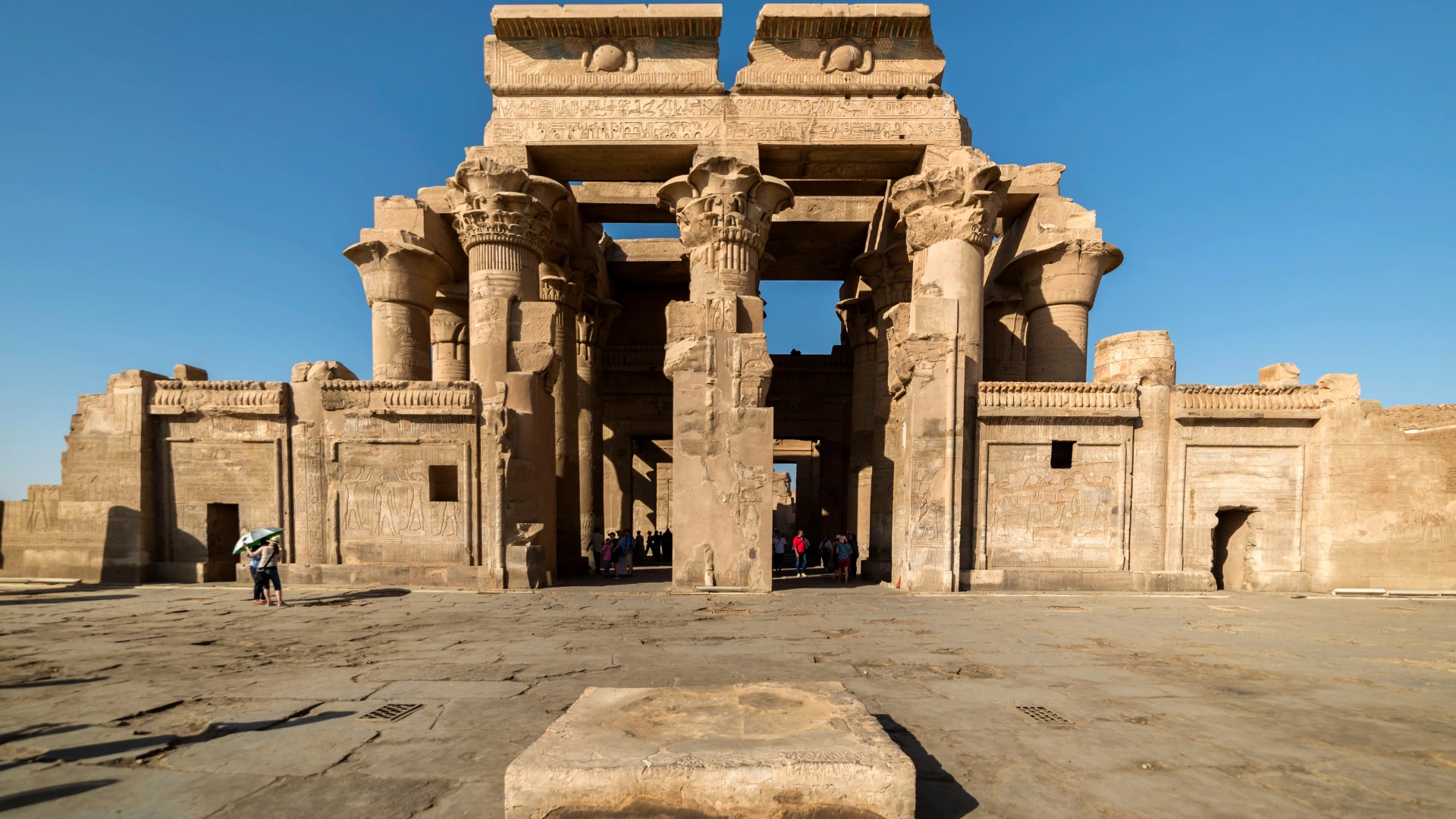
The Crocodile Museum at Kom Ombo is a dedicated gallery opened in 2012 within the grounds of Kom Ombo Temple, housing one of the most significant collections of mummified crocodiles in Egypt. The museum displays over 50 crocodile mummies — some complete adults over 2 meters long, others juveniles and hatchlings — alongside crocodile eggs, funerary boxes, and ritual objects found in caches near the temple during 19th and 20th century excavations.
The collection is directly connected to the cult of Sobek, the crocodile-headed god of the Nile, one of the two principal deities worshipped at Kom Ombo. Sacred crocodiles were kept in a dedicated pool within the temple precinct, venerated during their lifetimes and mummified after death. The museum makes this ritual practice tangible for visitors.
Beyond the mummies, the museum highlights ancient medical instruments depicted in carved relief on an exterior wall of Kom Ombo temple — forceps, scalpels, bone saws, and birthing tools — widely discussed as one of the earliest known depictions of surgical instruments in any ancient culture.
Crocodile veneration at Kom Ombo has roots stretching back to the earliest periods of Egyptian history. The site’s position at a Nile bend where crocodiles historically gathered made it a natural focus for Sobek worship. By the Ptolemaic period, when the current temple complex was built, Kom Ombo had become one of the primary cult centers for Sobek in Upper Egypt.
The mummified crocodiles were discovered in caches near the temple beginning in the 1890s. Georges Legrain and other excavators found them bundled in linen wrappings and stored in purpose-built vaults. Mummification techniques range from simple natural desiccation to elaborate treatments involving resin and linen bandaging.
The museum was constructed in 2012 using a modern structure designed to harmonize with the temple’s sandstone architecture — one of the first purpose-built satellite museums created to display finds at their site of discovery rather than shipping them to Cairo.
Fully preserved mummified Nile crocodiles up to 2 meters long displayed in open cases — the largest collection visible to the public in any Egyptian museum.
Small mummified juveniles and hatchlings wrapped in linen bandaging demonstrate that crocodiles of all sizes were considered sacred offerings to Sobek.
An exterior temple wall carved with objects resembling forceps, scalpels, and birthing tools — one of the most debated images in ancient Egyptian archaeology.
These packages visit this site as part of the itinerary.

Start From


Start From


Start From

See what our happy travelers say about us



