
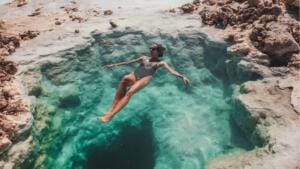
Egypt Oasis, known for its ancient culture and the gorgeous Nile River, is also home to a diverse range of oases strewn across its vast deserts. Offering a singular fusion of natural beauty, historical significance, and cultural legacy, these verdant havens contrast sharply with the surrounding parched terrain. For thousands of years, Egypt's oases have supported trade routes, cultivation, and human settlement. They continue to be important natural and cultural assets that draw tourists from all over the world.

Every oasis in Egypt has a unique tale to tell, from the tranquil splendor of Siwa to the expansive agricultural wealth of Kharga. In addition to being necessary for existence, these oases were also crucial to prehistoric religious rituals, commerce networks, and even calculated military actions. They are an essential component of Egypt's varied legacy because of their distinctive geographic characteristics, historical sites, and cultural customs. This article examines Egypt's main oases, learning about their locations, histories, and unique features.

Top Class Egypt Travel- Logo

Siwa Oasis

Fatnas Island Siwa Oases - Top Class Egypt Travel

One of Egypt's most well-known and charming oasis is Siwa Oasis, which is tucked away close to the Libyan border. Siwa has been inhabited since ancient times and is well-known for its olive orchards, date palms, and glittering salt lakes. When Alexander the Great visited the Oracle of Amun, which was housed in the Temple of the Oracle, it became well-known in the fourth century BCE. Siwa's distinct Berber culture and language have been preserved due to its distant location. Ancient structures such as the Shali Fortress and Cleopatra's Bath, a naturally occurring spring thought to have healing qualities, are open to visitors today.

Top Class Egypt Travel- Logo

Bahariya Oasis

Visit Bahariya Oasis - Top Class Egypt Travel

Bahariya Oasis is a natural valley encircled by golden sand dunes, some 370 kilometers southwest of Cairo. As a hub for trade and wine manufacturing, it was important during the 26th Dynasty in ancient Egypt. Important archaeological discoveries can also be found at Bahariya, such as the Valley of the Golden Mummies, which contains more than 200 Greco-Roman mummies. The oasis is well-known for its palm trees, hot springs, and the neighboring bizarre chalk rock formations of the White Desert.

Top Class Egypt Travel- Logo

Farafra Oasis

Hot Spring in Farafra Oasis- Top Class Egypt Travel

Farafra Oases, the smallest of Egypt's Western Desert sanctuaries, is renowned for its natural beauty and tranquil atmosphere. Adventurers and photographers are drawn to its famous White Desert because of its arresting white limestone formations sculpted by wind and sand. Farafra has always been a small village with little agricultural output. Reflecting the traditional way of life of the oasis, visitors can enjoy the Bir Sitta hot spring and explore local handicrafts, especially wool goods and ceramics.

Top Class Egypt Travel- Logo

Dakhla Oasis

Bashandi Village Dakhla Oasis - Top Class Egypt Travel

Dakhla Oasis, placed approximately 350 kilometers west of the Nile Valley, stands out as one of Egypt’s most fertile oases, featuring more than a dozen villages enveloped by verdant fields and gardens. The oasis boasts a rich history that stretches back to Pharaonic times, as seen in locations such as Deir el-Hagar, a Roman temple devoted to Amun and Mut, and the ancient necropolis of Bashendi. The mudbrick villages of Dakhla, including Al-Qasr, exemplify the beauty of medieval Islamic architecture. The oasis is renowned for its thermal springs and stunning desert scenery.

Top Class Egypt Travel- Logo

Kharga Oasis

Bagawat Necropolis in Kharga Oasis - Top Class Egypt Travel

Kharga Oasis, the southern most and largest of Egypt’s oases, has served as an essential waypoint on desert trade routes since ancient times. Situated approximately 200 kilometers west of Luxor, it was referred to as the “Southern Oasis” in ancient Egyptian history. Kharga boasts numerous historical sites, such as the Temple of Hibis, which dates back to the 26th Dynasty, and the Bagawat Necropolis, recognized as one of the oldest Christian cemeteries globally. Modern Kharga showcases extensive agricultural initiatives and serves as a center for date and olive production.

Top Class Egypt Travel- Logo

Faiyum Oasis

El Fayoum Oasis Tours and Excursions - Top Class Egypt Travel

The Faiyum Oasis, which is located 100 kilometers southwest of Cairo, is distinguished by its proximity to the Nile and its extensive water source, Lake Qarun. During ancient times, Faiyum was an agricultural dynamo and was referred to as the "Garden of Egypt." The region is replete with archaeological sites, such as the ancient Greco-Roman town of Karanis and the Pyramid of Hawara. Faiyum is a destination of both historical and natural significance due to the presence of prehistoric whale fossils in the adjacent Wadi El-Hitan (Valley of the Whales), a UNESCO World Heritage Site.

Top Class Egypt Travel- Logo

Wadi El-Natrun Oasis

Safari Trip to Bahariya & White Desert from Cairo - Top Class Egypt Travel

Wadi El-Natrun, a desert depression with historical and religious significance, is situated between Cairo and Alexandria. It was a center for early Christian monasticism in the 4th century CE and was recognized for its natron deposits, which were used in mummification. Currently, the region is home to numerous ancient Coptic monasteries, including the Monastery of Saint Macarius. The ecological significance of Wadi El-Natrun is further enhanced by its saline lakes and birdlife.

Top Class Egypt Travel- Logo

Qattara Depression Oases

Deir el-Hagar Dakhla Oasis - Top Class Egypt Travel

The Qattara Depression, situated in Egypt's Western Desert, is noteworthy for its distinctive geography, despite not being a conventional oasis. It is situated 133 meters below sea level, making it one of the lowest points in the globe. The depression's extensive sand dunes and saline marshes render it a captivating yet difficult landscape. Historically, it served as a strategic obstacle during the North African campaign of World War II.

Top Class Egypt Travel- Logo

Baris Oasis

Mut Village Dakhla Oasis - Top Class Egypt Travel

Baris is a small, secluded settlement that is situated to the south of Kharga Oasis. It is encircled by sandy landscapes and date palms. Historically, it was a minor agricultural hub that benefited from the fertile soils afforded by its artesian wells. Baris provides an authentic perspective on the simple existence of desert communities, despite its lack of development for tourism.

Top Class Egypt Travel- Logo

Al-Hayz Oasis

English Mountain (Jebel al-Ingleez) Bahariya Oasis- Top Class Egypt Travel

Al-Hayz is a modest, peaceful oasis with historical significance that is located southwest of Bahariya Oasis. Caravans passing through Bahariya and other regions of Egypt used it as a rest stop. The region's strategic importance in antiquity is suggested by the numerous archaeological relics, including forts from the Roman era.

Top Class Egypt Travel- Logo

Ain Dalla Oasis

Mountain of the Dead (Gebel al-Mawta) Siwa Oases - Top Class Egypt Travel

One of Egypt's most isolated oases is Ain Dalla, which is situated in the Western Desert. It is thought that caravans traveling along historic trade routes used it as a source of water. Tools and ceramics from thousands of years ago have been found during archaeological digs, indicating that the oasis was populated in prehistoric periods.

Top Class Egypt Travel- Logo

Request A call

Got Questions?

Frequently Asked Questions

Everything you need to know about traveling to Egypt

+

How can I book an Egypt day tour?

Booking through reputable tour operators or agencies is advisable. You can also book tours through the website www.topclassegypttravel.com or WhatsApp us at +201221029071.

+

Are guided tours necessary?

While you can explore some sites independently, guided tours often provide valuable historical and cultural insights. It's recommended to hire a guide for complex historical sites like the Pyramids.

+

What's the best time to visit Egypt?

Egypt's peak tourist season is from October to April when the weather is cooler. However, if you prefer fewer crowds and lower prices, consider visiting during the shoulder seasons.

+

What should I wear during the tours?

When visiting religious sites and conservative areas, it's respectful to dress modestly. Light, breathable clothing and comfortable shoes are recommended.

+

Is it safe to travel to Egypt?

Egypt has made substantial efforts to enhance the safety and security of tourists. While it's always important to stay informed and exercise caution, many travelers visit Egypt without any issues.

+

What draws travelers to Egypt?

Egypt's appeal lies in its rich history, featuring ancient sites dating back over 4,000 years, alongside captivating city resorts and pristine beaches. Your Egyptian journey promises the vacation of your dreams.

+

What are the transportation options?

When it comes to getting around Egypt, a taxi is often the fastest choice, particularly in Cairo. Alternatively, you can opt for the efficient metro system when roads are congested.

+

What languages are spoken in Egypt?

Arabic is the official language of Egypt, but most Egyptians in urban areas understand and speak some English. Professional tour guides offer guidance in English and other languages.

+

What are the best activities to enjoy?

Egypt offers diverse activities: Nile Cruises, hot air balloon rides, Egyptian cuisine, shopping in Old Cairo, diving and snorkeling in the Red Sea, and Western Desert safaris.

+

Why choose Top Class Egypt Travel?

With over 20 years of experience, we create remarkable vacations across Egypt. We tailor all tours to your specific needs. Your safety and comfort are our top priorities.
